
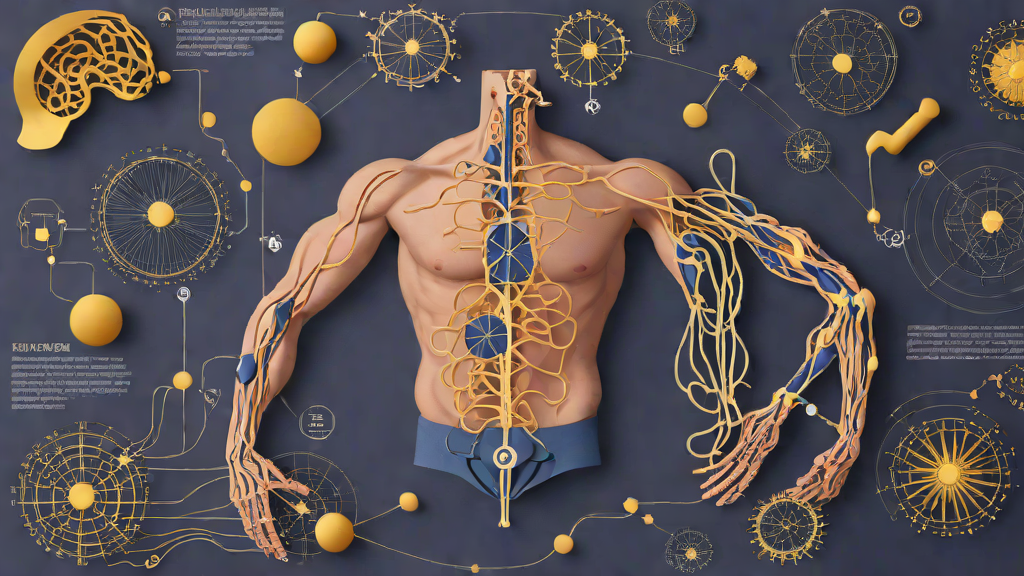
Muscle weakness sounds straightforward until you try to pin down what is actually happening. Sometimes it means true loss of force. Sometimes it means early fatigue, heavy legs, rapid burn, or a strange inability to repeat effort that used to feel ordinary. Mitochondria matter here because skeletal muscle depends heavily on cellular energy production, particularly during sustained or repeated work.
If you are mapping the broader topic, start with mitochondrial health and cellular energy UK. This page focuses on the muscle-performance side of the story.
What people usually mean by muscle weakness
In real life, people often use “muscle weakness” to describe several different experiences. Sometimes they mean they cannot produce force. Sometimes they mean that muscles tire far too quickly. Sometimes they mean heaviness, burning, or poor recovery after effort that used to be manageable. Those differences matter because the underlying mechanisms are not identical, but mitochondria can sit somewhere in all of them.
Muscle tissue needs ATP to contract, relax, restore ion balance, and recover from work. If the energy system is underpowered, the whole chain becomes less convincing.
Why mitochondria matter to muscle performance
Mitochondria help support sustained muscular work by producing ATP through oxidative phosphorylation. They do not do all energy production, but they are central to endurance, repeat efforts, and recovery between bouts. When mitochondrial function is poor, people may notice that muscles burn earlier, output falls faster, and recovery feels oddly slow compared with the work done.
This is why the muscle story overlaps with ATP explained, electron transport chain explained, and mitochondrial dysfunction symptoms. The physiology underneath the feeling is not especially mysterious, even if the presentation varies.
What the pattern often looks like
People may notice stairs feeling harder, legs feeling loaded during ordinary sessions, reduced tolerance for circuits or intervals, or the sense that muscular output no longer matches training age. They may not look obviously unwell, which is partly why the problem gets dismissed as laziness, stress, or age. Occasionally that dismissal is correct. Often it is merely lazy thinking.
If muscle weakness is part of a wider cluster, fatigue, brain fog, poor sleep, slower recovery, lower stress tolerance, then mitochondria deserve a place in the conversation even if they are not the whole answer.
What else can cause it
This is not a one-cause topic. Muscle weakness or early fatigue can also reflect under-fuelling, overtraining, iron deficiency, low B12, thyroid issues, neurological disease, medication effects, inactivity, deconditioning, or broader inflammatory and metabolic problems. That is why symptom context matters. It is also why testing and broader biomarkers can be useful before anyone gets too emotionally attached to a favourite explanation.
Mescreen's value here is not to replace medical assessment when red flags exist. It is to help structure the murkier middle ground where a person feels persistently flatter than they should and wants better evidence rather than motivational lectures.
What tends to help
Smarter aerobic work, sensible resistance training, adequate protein, sleep quality, better glucose control, and proper recovery all help support the muscle-energy system. If someone is doing all of that reasonably well and still feeling underpowered, more focused mitochondrial or biomarker testing may be a rational next step. See mitochondrial function test UK and when symptoms justify testing.
Bottom line
Mitochondria matter to muscle weakness because muscle performance depends on energy production, not just willpower. If output is dropping, recovery is poor, and heaviness shows up too early, it may be time to look at the energy system instead of simply bullying the body harder.
Reviewed by Hemal Patel, PhD
Professor of Anesthesiology at UC San Diego School of Medicine, with research interests in mitochondrial biology, caveolin signalling and cellular bioenergetics.
Read Hemal Patel's mescreen™ reviewer profile · Verify on UCSD Profiles
References
- Picard M, et al. Mitochondria and the future of medicine. Cell. 2023.
- Hood DA, et al. Exercise-induced mitochondrial adaptations in skeletal muscle.
- Review literature on mitochondrial myopathies and exercise intolerance.
Want the bigger view?
Read mitochondrial health, cellular energy UK, and improve mitochondrial function for the broader prevention and performance picture.