
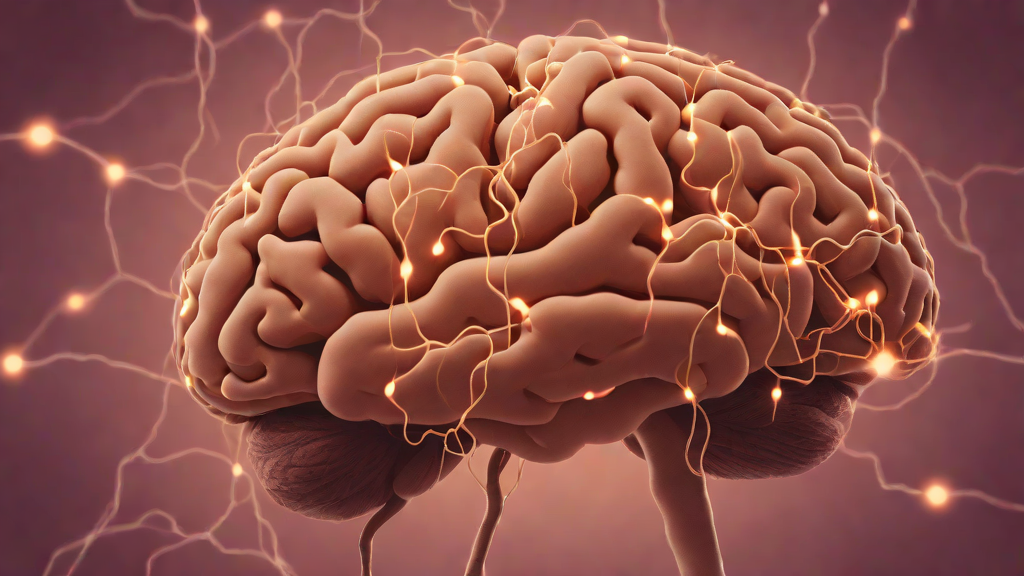
Brain fog is one of those terms people use because it captures the experience well and explains the biology badly. The experience is obvious, slower recall, reduced mental stamina, poorer focus, a feeling that thoughts are moving through treacle. The biology underneath is broader, but mitochondria matter because the brain is heavily dependent on efficient cellular energy production.
The brain uses a disproportionate amount of the body's energy. That means it often notices energy strain early. If mitochondrial function is impaired, if ATP production is less efficient, or if the broader metabolic environment is poor, cognitive clarity may suffer long before anyone has a neat explanation for why.
Why the brain is so sensitive to energy problems
Neurons are expensive cells. They need constant energy for signalling, ion gradients, neurotransmitter handling, synaptic maintenance, and repair. Mitochondria help support that demand by generating ATP efficiently over time. If that system is under strain, the effects can show up as slower thinking, lower cognitive endurance, and reduced resilience under mental load.
This is why brain fog often overlaps with fatigue, poor sleep, exercise intolerance, and stress sensitivity. The symptoms may look separate on the surface but share a common energy-management backdrop underneath.
What people usually notice
Brain fog is rarely one dramatic deficit. It is usually a collection of small losses that make the day feel heavier.
- Reduced concentration and more distractibility.
- Slower recall and word-finding problems.
- Needing more effort for routine cognitive work.
- Lower tolerance for meetings, screens, or multitasking.
- Feeling mentally depleted earlier in the day.
- More noticeable crashes after poor sleep, travel, or stress.
If that pattern sits beside fatigue, poor recovery, and metabolic instability, the mitochondria angle becomes more relevant rather than less.
What brain fog is not
Brain fog should not be lazily attributed to mitochondria every time focus slips. Poor sleep, stress overload, depression, anxiety, nutritional deficiency, thyroid problems, medication effects, insulin resistance, inflammation, infection, and long-COVID-style post-viral syndromes can all contribute. The point is not to skip proper evaluation. The point is to understand that cellular energy may be one of the mechanisms connecting those experiences.
Mitochondria are often part of the system story even when they are not the only answer.
Why metabolic context matters
Cognition depends on energy supply, glucose handling, inflammation control, and recovery. If blood sugar swings are sharp, sleep is poor, stress is chronic, and inflammation is elevated, the brain often pays for it. This is why biomarker context matters so much for cognitive complaints. The page on which biomarkers matter for energy is relevant here because a lot of “brain fog” lives inside a wider metabolic picture.
Again, the pattern matters more than one symptom. If the brain is foggy and the body is also flat, slow to recover, or increasingly stress-intolerant, the likelihood of a broader cellular-energy issue rises.
Sleep and stress make everything louder
Poor sleep is one of the fastest ways to feel cognitively impaired, and chronic stress is one of the fastest ways to make that impairment sticky. Sleep affects glucose regulation, memory processing, repair, and inflammatory balance. Chronic stress worsens sleep, drains attention, and increases metabolic drag. None of that is good for mitochondria, and none of it is good for the brain.
This is why people often think they have a mysterious nootropic deficiency when they actually have an energy-management problem with good branding.
What tends to help
The foundations matter more than people want. Better sleep timing, regular movement, stable meals, lower alcohol load, improved glucose control, and better recovery all help the brain because they help the wider energy system. Exercise can help not only through mood effects but by improving mitochondrial capacity and metabolic health. Diet helps because it shapes the environment the brain works within.
If you want the practical layer, move next to improve mitochondrial function, diet for mitochondrial health, and sleep and mitochondrial recovery.
When testing may help
If brain fog is persistent, disproportionate, and not clearly explained by lifestyle basics, better testing can be useful. The goal is not to prove that mitochondria are the sole cause. The goal is to narrow the field. Biomarker patterns, energy-related markers, and a clearer mitochondrial baseline can help distinguish everyday overload from something that deserves more focused attention.
That is where mitochondrial function test UK and what mitochondrial test results mean become relevant. Better data is often the only way to move from vague theory to an actual plan.
Bottom line
Mitochondria and brain fog belong in the same conversation because cognition is expensive and the brain notices energy problems early. The mature version of that idea is not “all brain fog is mitochondrial.” It is that cellular energy is one of the most useful lenses for understanding why mental clarity fades when the wider system is under strain.
Reviewed by Hemal Patel, PhD
Professor of Anesthesiology at UC San Diego School of Medicine, with research interests in mitochondrial biology, caveolin signalling and cellular bioenergetics.
Read Hemal Patel's mescreen™ reviewer profile · Verify on UCSD Profiles
References
- Picard M, et al. Mitochondria and the future of medicine. Cell. 2023.
- Reviews on neuroenergetics, oxidative stress, and cognitive fatigue.
- American Diabetes Association. Standards of Care in Diabetes, 2026.
Want the broader guide?
Continue to mitochondrial health, cellular energy UK, and mitochondria and chronic fatigue.