
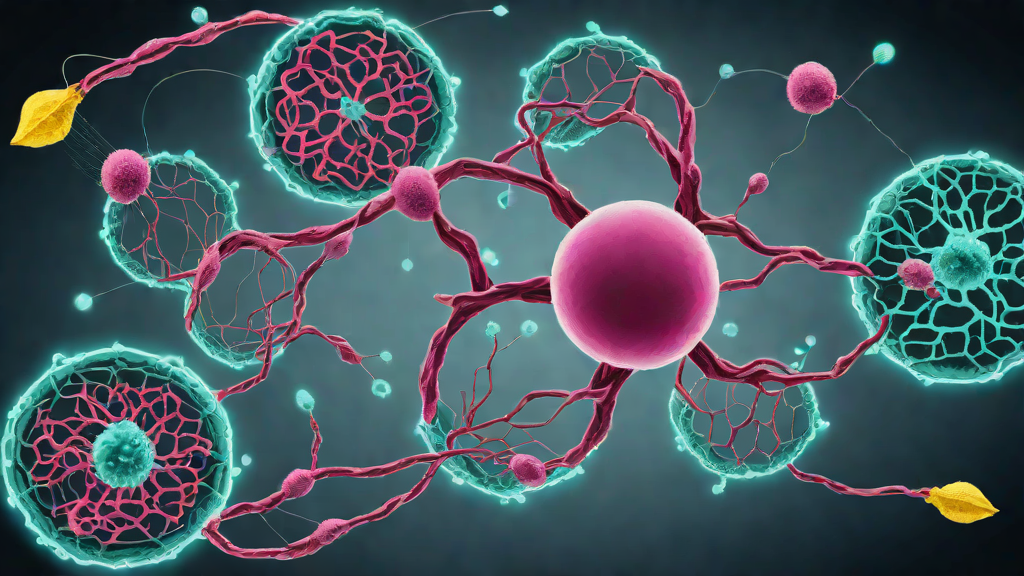
Urolithin A is one of the more interesting names in the mitochondrial-support conversation because it is not being sold primarily as generic energy. The pitch is more specific: mitochondrial quality control, mitophagy, and healthier ageing. That is a better conversation already. The difficulty is that promising biology and decisive human benefit are not the same thing, and the supplement world has never been famous for respecting that distinction.
This page sits alongside mitochondrial supplements, what works?, mitochondrial health, and cellular energy UK. The goal is to explain what urolithin A does, why mitophagy matters, and how to think about the current evidence without letting marketing write the conclusion for you.
What urolithin A actually is
Urolithin A is a compound produced when gut microbes metabolise ellagitannins, which are found in foods such as pomegranate, walnuts, and some berries. Not everyone produces it equally well, which partly explains why the supplement story took off. Instead of relying on variable gut conversion, supplementation provides the compound directly.
The interest comes from its relationship with mitophagy, the cellular process that helps identify and remove damaged mitochondria. Mitochondrial health is not just about building more mitochondria. It is also about clearing the tired, dysfunctional machinery that is no longer doing useful work.
Why mitophagy matters
As we age, mitochondrial quality control appears to become less efficient. That can matter for muscle function, metabolic resilience, and general energy handling. Mitophagy is one of the processes the body uses to maintain a healthier mitochondrial pool. If a compound can support that process in humans in a meaningful way, that is worth paying attention to.
This is why urolithin A keeps appearing in healthy-ageing conversations rather than just generic supplement lists. The mechanism is more focused than the usual vague promises about “supporting vitality”.
What the human evidence says so far
Human data are still developing, but there have been controlled trials looking at biomarkers related to mitochondrial health and muscle function. Some findings suggest improved mitochondrial biomarkers and possible support for muscle endurance or function in older adults. That is promising. It is not the same as proving broad clinical benefit across all populations.
At this stage, the evidence is more serious than many wellness compounds and less definitive than marketing tends to imply. That makes urolithin A one of the more legitimate “interesting, maybe useful” options rather than a front-runner with universal evidence behind it.
Where it might fit in real life
Urolithin A makes the most sense in the context of healthy ageing, muscle function, and mitochondrial quality control, especially where recovery or resilience is a concern. It may be more relevant for older adults than for healthy younger people already training well, sleeping properly, and eating sensibly. Annoyingly, biology often rewards the unglamorous basics first.
It also makes more sense as part of a system. Pair it with exercise for mitochondrial health, sleep and mitochondrial recovery, and mitochondria and ageing. A mitophagy supplement cannot meaningfully outwork chronic sleep debt and metabolic chaos.
What to be careful about
The main risk here is not necessarily safety drama. It is expectation inflation. People hear “mitophagy” and imagine a total mitochondrial reset. The real question is whether the effect size is meaningful in the body they actually have, under the conditions they actually live in. That is much less cinematic, but much more useful.
Also, pomegranate and ellagitannin-rich foods remain reasonable parts of a health-supportive diet, even if they are not a direct substitute for a purified supplement. The body is irritatingly attached to context.
Bottom line
Urolithin A is one of the more credible newer mitochondrial compounds because the mechanism is coherent and the early human evidence is not ridiculous. But it still belongs in the category of promising tool, not solved answer. If the basics are poor, fix the basics. If the basics are good and the goal is more targeted support around ageing and mitochondrial quality control, then it becomes a more sensible candidate.
Reviewed by Hemal Patel, PhD
Professor of Anesthesiology at UC San Diego School of Medicine, with research interests in mitochondrial biology, caveolin signalling and cellular bioenergetics.
Read Hemal Patel's mescreen™ reviewer profile · Verify on UCSD Profiles
References
- Andreux PA, et al. The mitophagy activator urolithin A is safe and induces a molecular signature of improved mitochondrial and cellular health in humans. Nature Metabolism.
- Singh A, et al. Urolithin A improves muscle strength and exercise performance in older adults, trial literature.
- Picard M, et al. Mitochondria and the future of medicine. Cell. 2023.
Need a clearer baseline first?
If recovery, fatigue, or resilience feel off, it is usually smarter to understand the broader system before collecting another supplement tub. Start with mitochondrial health and cellular energy UK.