PRIVATE TEST OUTPUT · NOT PUBLISHED
TL;DR: Fast for a blood test only when the clinician or testing service requests it, and follow the exact instructions they provide for food, drinks, medicines and timing.
Key takeaways
- Most blood tests do not require fasting.
- When fasting is required, plain water may be allowed under the supplied instructions.
- Do not stop or change prescribed medicines without test-specific advice.
- If you eat or drink by mistake, tell the responsible service before collection.
- Instructions for one test or laboratory should not be copied to another.
What is a fasting blood test?
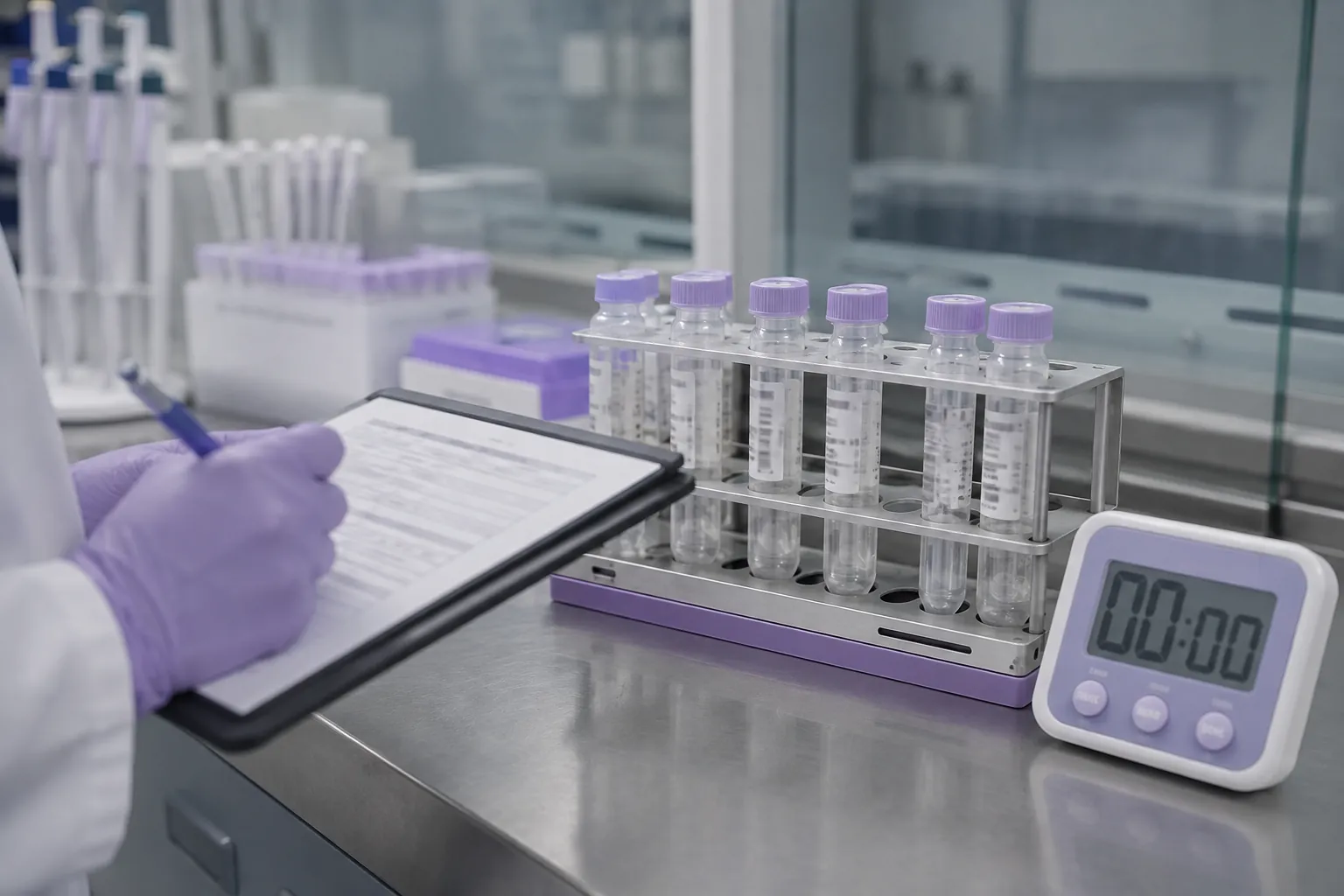
A fasting blood test is a blood test for which you are asked not to eat and to restrict drinks for a defined period before collection. The exact rule comes from the clinician, laboratory or service responsible for that test.
The NHS blood tests page says some tests require no food or drink other than water for a short time beforehand. It also says the GP, nurse or specialist should tell you how to prepare.
Fasting is therefore an instruction, not a general sign that a test has become more serious. Biology has enough variables without adding ceremonial hunger to every appointment.
Do all blood tests require fasting?
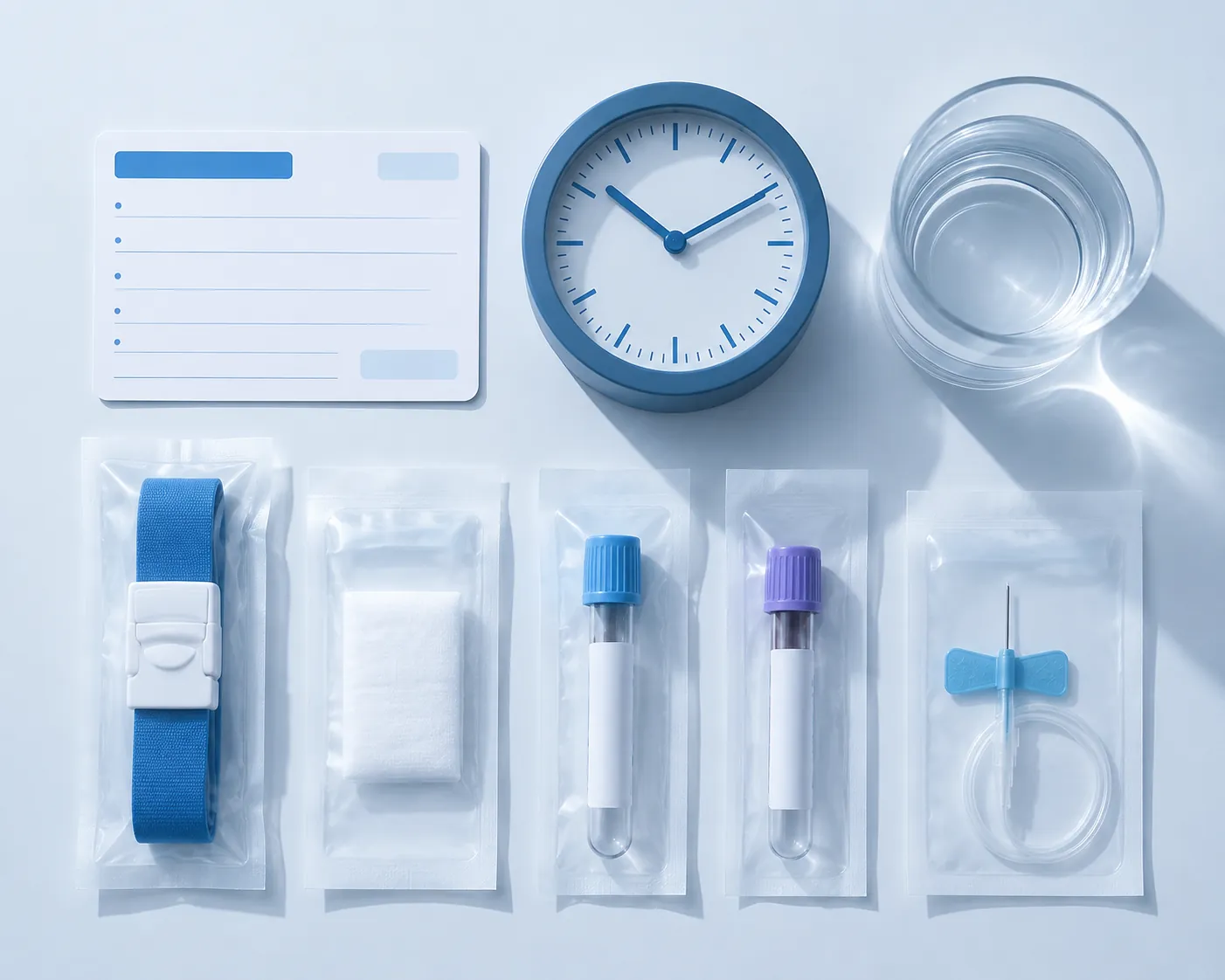
No, most blood tests do not require special preparation. A current patient guide from York and Scarborough Teaching Hospitals NHS Foundation Trust says that preparation is unnecessary in the vast majority of cases and that special instructions should come from the requesting healthcare professional.
Whether fasting is useful depends on the test and its clinical purpose. Do not decide from the test name alone, and do not fast simply because a previous appointment required it.
If the booking information is unclear, contact the responsible service before the fasting period would begin.
Can you drink water before a fasting blood test?
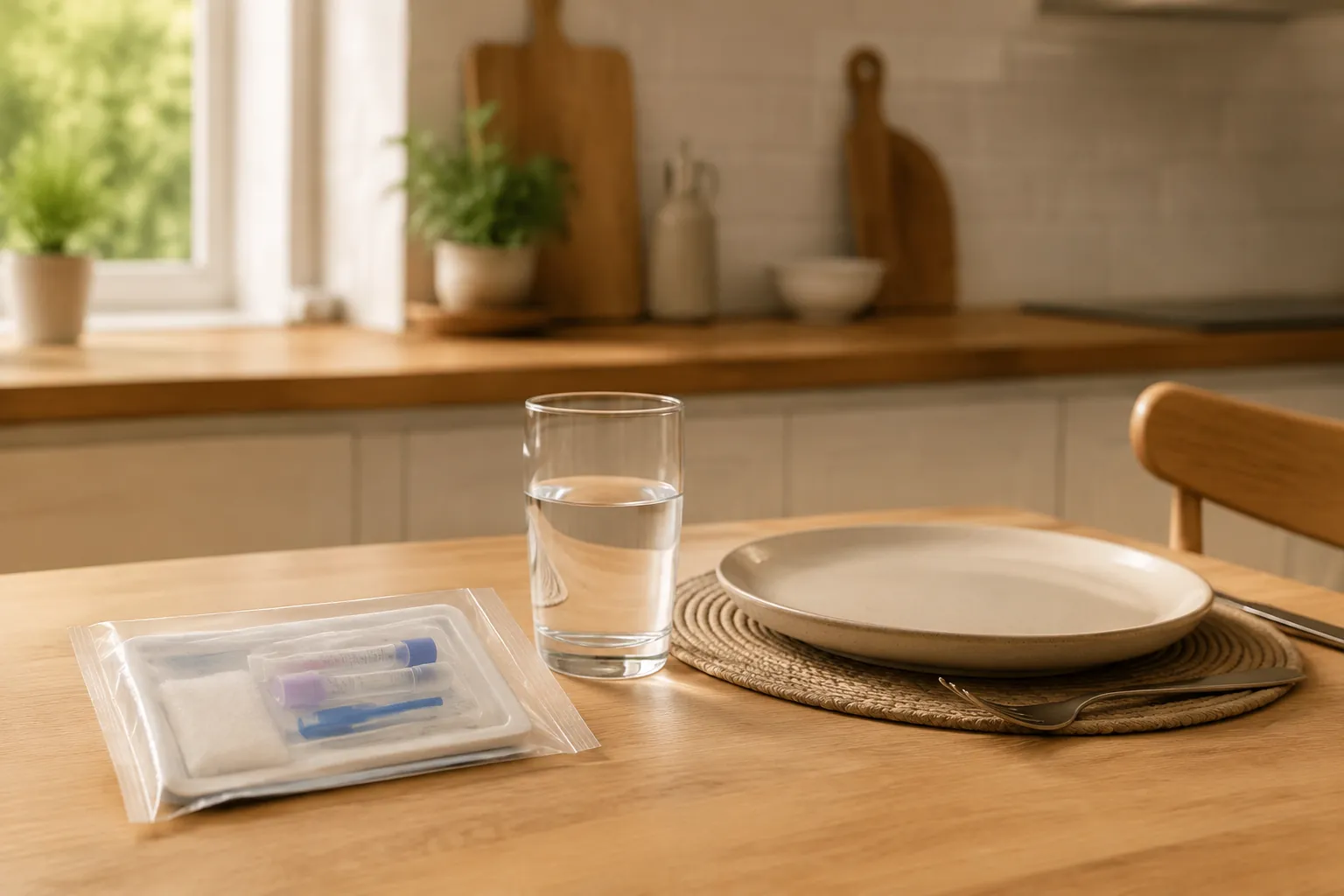
Plain water is permitted in many UK fasting instructions, but the instruction for the actual test takes priority. The NHS describes fasting as avoiding food and drinks other than water in the situations where it is requested.
A Rotherham NHS Foundation Trust fasting guide likewise instructs its relevant patients not to eat or drink anything other than water from midnight. This is local guidance for that service, not a universal timetable for every test.
Do not assume that coffee, tea, milk, juice, flavoured water or a sugary drink counts as plain water. If the service has supplied a different fluid instruction, follow it or ask before collection.
How long should you fast?
Fast for the duration stated in your own appointment or preparation instructions. There is no single time window that this article can safely apply to every blood test.
The York NHS guide says some patients may be asked to avoid food and drinks other than water for up to 12 hours. The Rotherham page uses a from-midnight instruction for the specific fasting tests handled by that service. Those examples show why copying a number without its context is unhelpful.
Do not extend the fast to make the sample seem more rigorous. More fasting is not automatically better evidence.
Can you take medicines while fasting?
Do not stop, delay or change prescribed medicines unless the responsible clinician or testing service gives an instruction for that medicine and test. Medicine decisions are not a sensible place for generic internet improvisation.
The York NHS guide advises someone who is unsure whether a medicine may affect a result to continue it as prescribed until checking with their doctor. It also asks patients to disclose herbal remedies, vitamins and supplements.
If a medicine normally needs food, or timing is clinically important, contact the prescriber or test service before the fasting period. mescreen™'s live guide, Medicines Before Blood Tests: Ask First, explains this boundary in more detail.
What if you ate or drank by mistake?
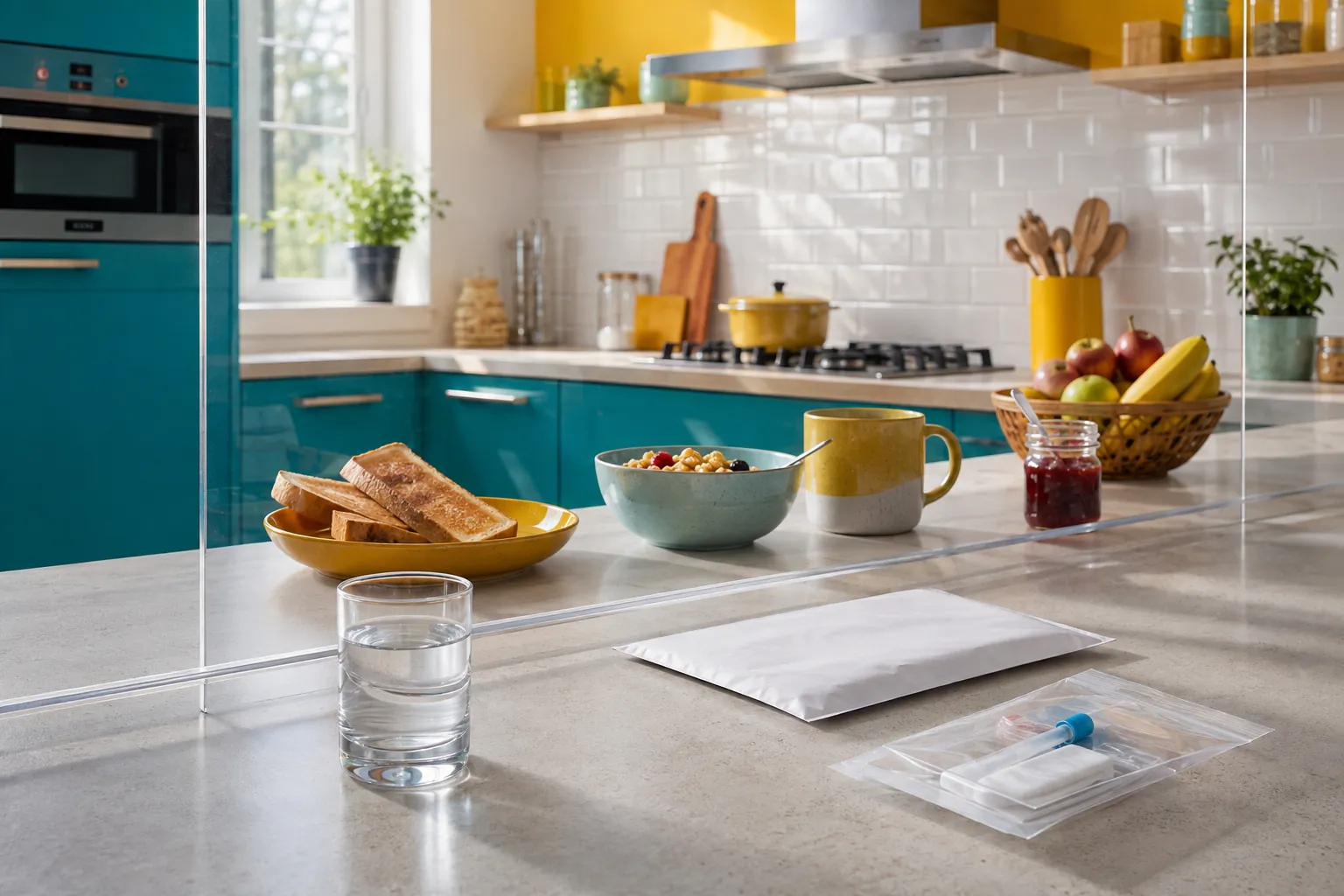
Tell the responsible service exactly what you consumed and when, then follow its decision about proceeding or rearranging. Do not conceal it and do not try to compensate by fasting for longer without advice.
The York NHS guide notes that not following preparation instructions can affect the result and may mean the test needs to be repeated. Whether that applies to an individual sample depends on the test, amount, timing and laboratory method.
A breakfast is information, not a moral failure. Accurate context is more useful than pretending it never met the toast.
Should you exercise, smoke or drink alcohol beforehand?
Follow the preparation instructions for the actual test rather than treating fasting as the only possible restriction. The York NHS guide notes that some patients may also be told not to drink alcohol or smoke before a test.

That does not authorise a universal avoidance period, and this article does not prescribe one. mescreen™'s verified blood biomarker test preparation guide explains why exercise, medicines, supplements and collection context should be handled through the test's specific instructions.
Do not make abrupt changes to normal behaviour merely to produce a more attractive result. The purpose is a correctly prepared sample, not an audition.
What should you do after the sample?
Follow the collection site's advice and resume eating and drinking when it says the fasting period is complete. The Rotherham NHS page says patients following that service's instruction can eat and drink normally after their blood test.
Plan food and any usual medicine routine in advance if the appointment affects them, using advice from the responsible clinician where needed. If you feel faint or unwell at the appointment, tell staff promptly.
Seek appropriate clinical advice if fasting could be unsafe for you. Urgent symptoms should be assessed through current NHS urgent or emergency routes, not delayed for a private test.
Does mescreen™ require fasting?
Use only the current instructions supplied for the mescreen™ kit and ask mescreen™ directly if they are unclear. mescreen™'s verified How It Works page describes an at-home dried blood spot collection, laboratory analysis and digital report. That page does not establish a universal fasting rule.
Use the mescreen™ contact page for service-specific preparation questions. Decisions about prescribed medicines remain with the prescribing clinician or responsible clinical service.
A private wellness test must not be used to diagnose illness, replace clinician-requested testing or justify changing treatment.
Limitations
This article cannot determine whether an individual test requires fasting or what a particular person should eat, drink or do with medicines. Requirements vary by test, laboratory method, clinical purpose and individual circumstances.
The NHS sources provide national and local preparation guidance, not one universal protocol. mescreen™ sources establish its current collection process and general preparation boundary only. They do not show that fasting improves mescreen™ results or health outcomes.
Sources
- NHS, Blood Tests
- York and Scarborough Teaching Hospitals NHS Foundation Trust, Preparing for a Blood Test
- The Rotherham NHS Foundation Trust, Fasting Blood Test
- mescreen™, Medicines Before Blood Tests: Ask First
- mescreen™, How to Prepare for a Blood Biomarker Test
- mescreen™, How It Works
- mescreen™, Contact