
You drink less than usual, then a result comes back higher than expected. Was it dehydration, or something else? Fluid balance can nudge certain blood measurements, but the picture is rarely as simple as one number. Here is what can change, how to prepare safely, and when a symptom needs care rather than a test.
TL;DR: Dehydration can alter some blood measurements through fluid and concentration changes, but the pattern is not specific enough to diagnose dehydration or dismiss an unexpected result without clinical context.
Key Takeaways
- Reduced plasma water can make some blood components appear more concentrated.
- Dehydration has no single symptom or routine blood value that diagnoses every case.
- Drinking excessive water before testing can also be inappropriate and may affect results.
- Follow the preparation instructions for the exact test and do not stop medicines without advice.
- Seek urgent care for severe symptoms rather than waiting for a home test.
How can dehydration affect a blood test?
Dehydration can reduce circulating fluid and change the measured concentration of some substances in blood. This is often described as haemoconcentration. Haemoglobin, haematocrit, proteins and other measurements may appear higher when plasma volume is lower, although the effect varies with cause, severity, timing and the individual.
A multidisciplinary peer-reviewed consensus notes that dehydration is difficult to define and assess consistently. It distinguishes different fluid disorders and identifies plasma osmolality as a useful objective marker for hypertonic dehydration. That does not mean one osmolality result diagnoses every type of fluid loss.
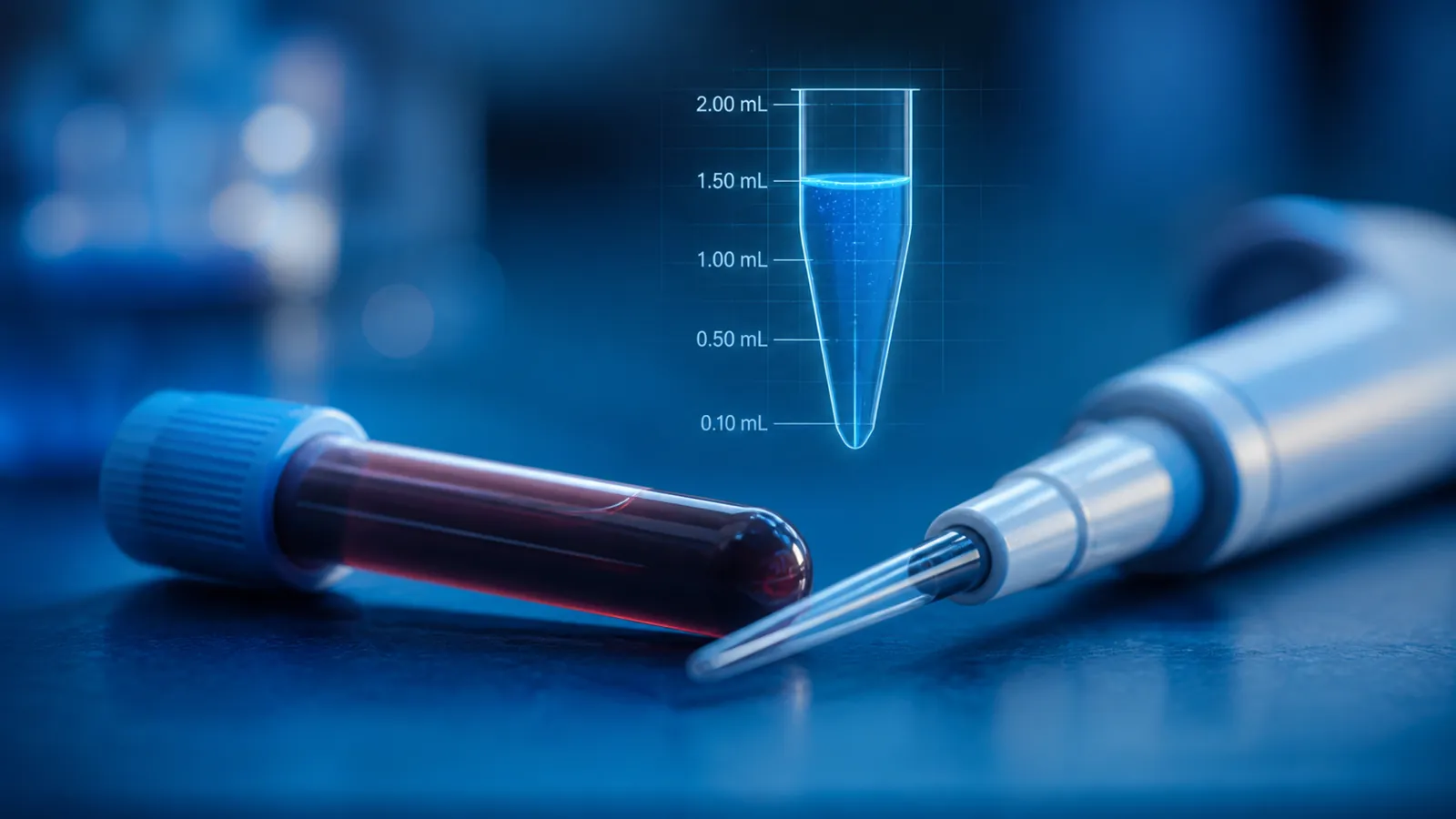
An unexpected high value is not proof that the person was dehydrated. Disease, medicines, posture, exercise, collection conditions and normal biological variation can also matter.
Which blood results may change?
Results linked to blood concentration, kidney handling and electrolyte balance may change, but no fixed panel shows the same pattern in everyone. Possible effects discussed in clinical assessment include changes in sodium, urea, creatinine, osmolality, haemoglobin, haematocrit and total protein. The direction and size are not universal.
The ratio between results can sometimes support a clinical interpretation, but it cannot replace history, examination and repeat assessment where indicated. A person losing water through fever may present differently from someone losing salt and water through vomiting or diarrhoea.
Do not use this list to self-diagnose or to explain away an abnormal report. Share the complete values, units, ranges and collection context with an appropriate healthcare professional.
Can dehydration cause a false high result?
Dehydration can contribute to a higher measured concentration without increasing the total amount of that substance in the body. That is a concentration effect, not necessarily a laboratory error. The sample may accurately represent the blood at that moment.
The phrase false high can therefore be misleading. A result can be analytically valid but temporarily influenced by fluid balance. Whether it is clinically important depends on the test and the whole picture.
mescreen™'s guide to comparing two blood tests explains why timing, units, methods and preparation should be checked before treating a difference as a trend.

Should you drink water before a blood test?
Follow the provider's exact instructions and maintain ordinary hydration unless a clinician has told you otherwise. Many routine blood tests permit plain water, including some fasting tests, but requirements differ. A test, medical condition or procedure may require a specific fluid plan.
Do not force large amounts of water immediately before collection. Excessive intake can be harmful and may change some measurements. Do not use sports drinks, juice, coffee or supplements as substitutes unless the instructions specifically permit them.
If you have heart failure, kidney disease, a fluid restriction or another condition affecting fluid management, obtain personalised advice. Do not change prescribed diuretics or other medicines to influence a test result without the prescriber's direction.
What should you record before sampling?
Record factors that could help the result be interpreted, without trying to manipulate the test. Useful context includes:
- the collection date and time;
- fasting status and last meal;
- usual fluid intake and any restriction;
- vomiting, diarrhoea, fever or heavy sweating;
- strenuous exercise;
- alcohol intake where relevant;
- medicines and supplements;
- difficulty collecting the sample.
For a home finger-prick kit, follow the collection guide exactly. mescreen™'s home finger-prick guide covers warmth, preparation and sample handling. Do not repeatedly squeeze a finger aggressively to overcome poor flow.
WHO phlebotomy guidance emphasises that every step in drawing, collecting and transporting blood can affect specimen quality. Preparation is only one part of the process.

Should an abnormal result be repeated after drinking water?
Repeat testing should be decided from the result, symptoms and clinical question, not used as an automatic do-over. If dehydration was plausible, a clinician may recommend reassessment after the cause is addressed. The timing and panel depend on what was abnormal and how unwell the person is.
Do not delay care while attempting to normalise a number at home. A marked electrolyte or kidney result can require prompt assessment. Conversely, immediate repetition of a broad wellness panel may add incidental variation without answering a useful question.
mescreen™'s article on normal blood tests with persistent symptoms explains the opposite boundary: an in-range panel does not exclude every cause of illness.
When should you seek urgent help?
Seek urgent help when dehydration symptoms are severe, worsening or linked to another serious illness. NHS advice lists symptoms such as thirst, dark yellow urine, reduced urination, dizziness, tiredness and a dry mouth. Serious dehydration can include confusion, persistent dizziness on standing, rapid breathing or heart rate, and very little urine.
Use NHS 111 when you need urgent medical help and are unsure where to go. Call 999 for a life-threatening emergency. Babies, older adults and people with long-term conditions can become unwell more quickly, so follow current NHS guidance rather than waiting for a private test.
Where does wellness testing fit?
A wellness test can provide defined measurements, but it cannot diagnose the cause or severity of dehydration by itself. Review exactly what is measured, the preparation instructions and the support pathway before ordering.
mescreen™ explains its current scope in its biomarker testing overview and how it works. If you are acutely unwell, use the appropriate healthcare service instead of relying on a home kit.
What are the limitations of this article?
This article cannot interpret an individual blood result or prescribe fluid intake. Dehydration is clinically complex, and fluid advice can be unsafe for some conditions. The cited consensus addresses clinical definitions and assessment, not validation of a mescreen™ diagnostic application.
This is educational information, not medical advice. Product documentation controls mescreen™'s intended use. No claim here turns its wellness service into a dehydration diagnostic test.