
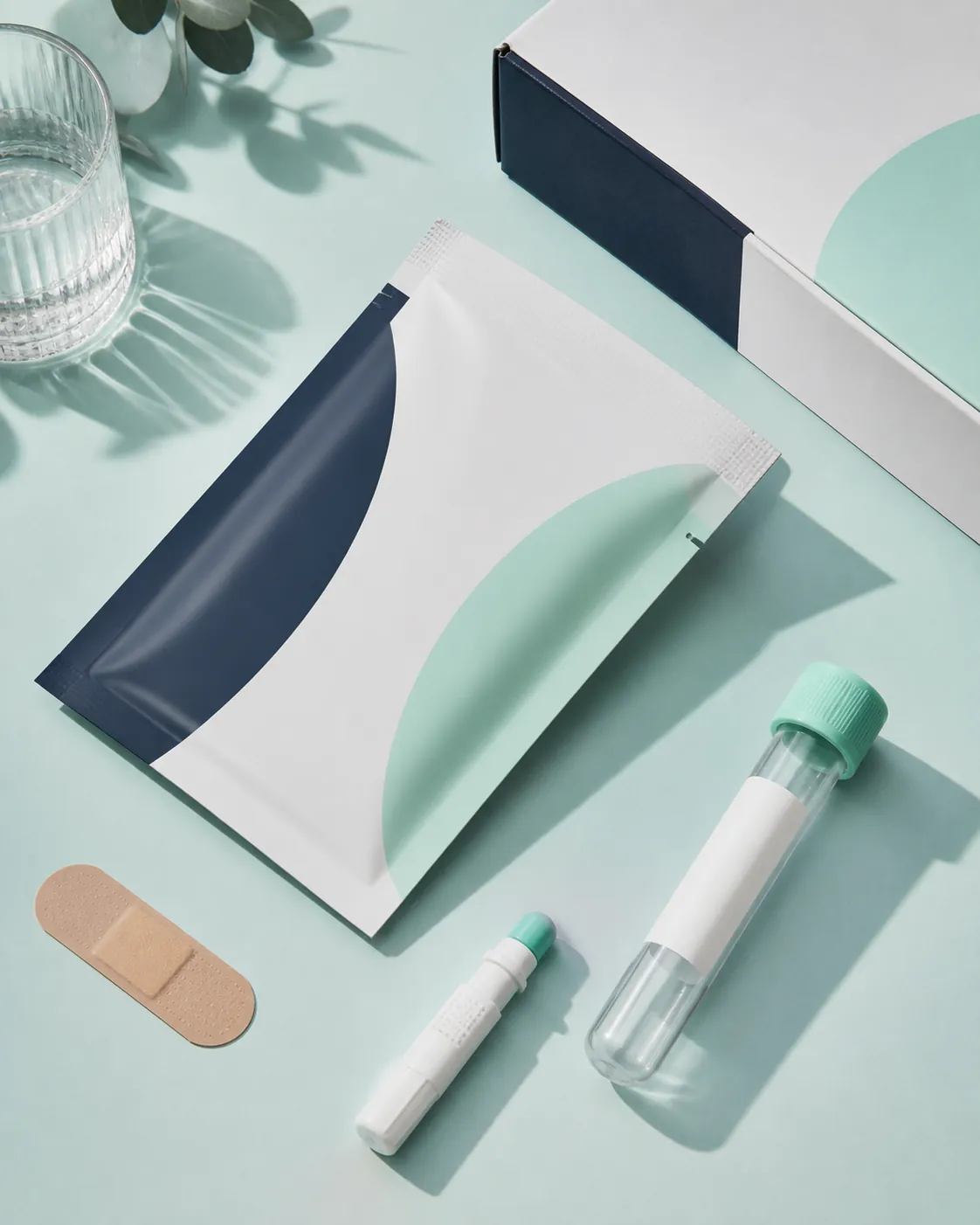
TL;DR: A rejected blood sample is frustrating, but it is usually a statement about the specimen, not a diagnosis and not evidence that your result would have been abnormal.
Laboratories reject or qualify samples when identity, container, volume, condition or transport does not support a result they can stand behind. That quality gate protects you from a number that may be misleading. The useful next step is to learn the provider's stated reason and follow the instructions for the specific repeat kit, not to improvise a "better" collection from social media.
This article is educational, not medical advice. mescreen™ applications must be supported by their validated process, and the general examples below do not prove that every reason applies to every mescreen™ assay. If you are new to at-home testing, it helps to understand how mescreen™ home testing works before you repeat.
Rejected, failed or inconclusive: what is the difference?
These are four distinct outcomes, so the first thing to establish is which one actually happened. Rejection means the laboratory does not accept the specimen before analysis. Analytical failure means the instrument or method cannot produce an acceptable result. A measurement can also fall outside the reportable range. And a result can be inconclusive, where a value exists but lacks the confidence to answer your health question.
Ask which of these events occurred, and avoid conflating "the test found something wrong" with any of them. NHS pathology policies show why laboratories need defined acceptance criteria: University Hospital Southampton, for example, lists container type, minimum volume, identification, leakage, timing and specimen condition as reasons a sample can be rejected.

What are the common reasons a home blood sample is rejected?
The usual causes fall into six groups, and almost all of them are about specimen quality rather than your health.
Not enough sample. Tubes or dried blood spots may lack the required quantity. Some collection devices require a defined fill or complete saturation pattern. Adding water, transferring material or reopening packaging cannot fix an underfilled sample and creates contamination risks. Peer-reviewed literature identifies spot volume, haematocrit, drying and storage as important variables.
Haemolysis. Red blood cells break and release intracellular material into the sample, which can interfere with measurements depending on the analyte and method. Do not interpret haemolysis as a disease result. Vigorous squeezing, difficult collection, temperature, transport and handling may all contribute, and you cannot determine the cause by appearance alone.
Clotting or wrong mixing. Some tubes require unclotted blood; others require clotting. Container additives and mixing sequences are method-specific. Shaking hard can damage a sample, while failing to mix a tube that requires gentle inversions may allow clots. Follow only the supplied instructions.
Labelling or identity mismatch. A high-quality sample with no reliable identity cannot be safely linked to the right person and order. Missing, inconsistent or damaged identifiers can require rejection. Complete only the instructed fields at the instructed times, and never relabel another person's kit.
Leakage, contamination or damaged packaging. Improperly closed tubes, contaminated cards or wet packages can be unsafe. Do not wipe leaked biological material and post it again. Follow the provider's spill instructions and contact support for replacement routes.
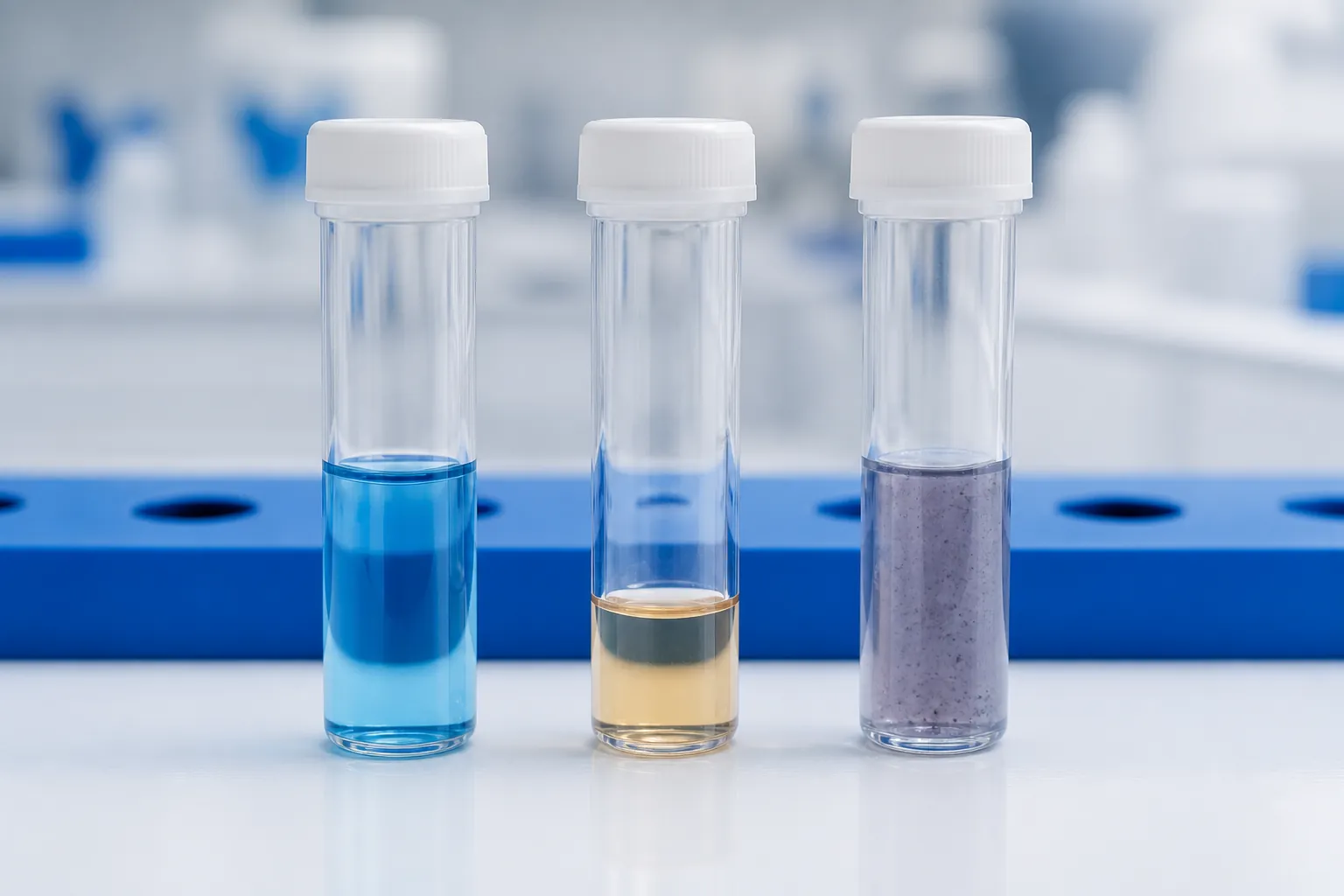
Delay, heat or incorrect drying. Stability differs by analyte and specimen type. Some specimens tolerate ordinary transport; others need controlled timing or conditions. Dried blood spots need specified drying before packaging, but waiting longer than instructed is not automatically safer. Use the supplied return methods and dispatch windows.
What should you check before you repeat the test?
Work through these six steps before you collect again, so the repeat is not wasted.
- Read the exact failure message and identify whether the whole order or only certain markers were affected.
- Contact the provider if the reason is unclear, and ask whether a replacement is appropriate and whether preparation requirements change.
- Check the new kit for identity, expiry, contents and instructions, and do not combine old and new components.
- Choose a calm collection window and avoid rushing to meet the last post.
- Prepare the return route first, so you know where and when the package will be sent.
- Follow any timing or fasting instruction exactly, and do not fast unless your provider told you to.
If you are unwell, prone to fainting, have a bleeding disorder, take medicines that affect bleeding, or have poor circulation, reduced sensation or damaged skin at the intended site, obtain individual advice before using a lancet.
How do you take a good finger-prick sample?
Use the site and lancet specified by the kit, and prepare the way the instructions describe. Wash and dry your hands as directed. Warming your hands comfortably can support blood flow, but avoid very hot water. Let antiseptic or skin preparation dry if instructed.
Do not repeatedly puncture yourself beyond the supplied instructions. Do not aggressively milk the fingertip, scrape the skin against a collection card, or touch the target collection area. Stop if you feel faint or if bleeding does not settle with the instructed pressure, and seek appropriate medical help if needed. These precautions do not guarantee acceptance, as biological variation, device performance and transport remain outside a collector's complete control.
How should you package and return the sample?
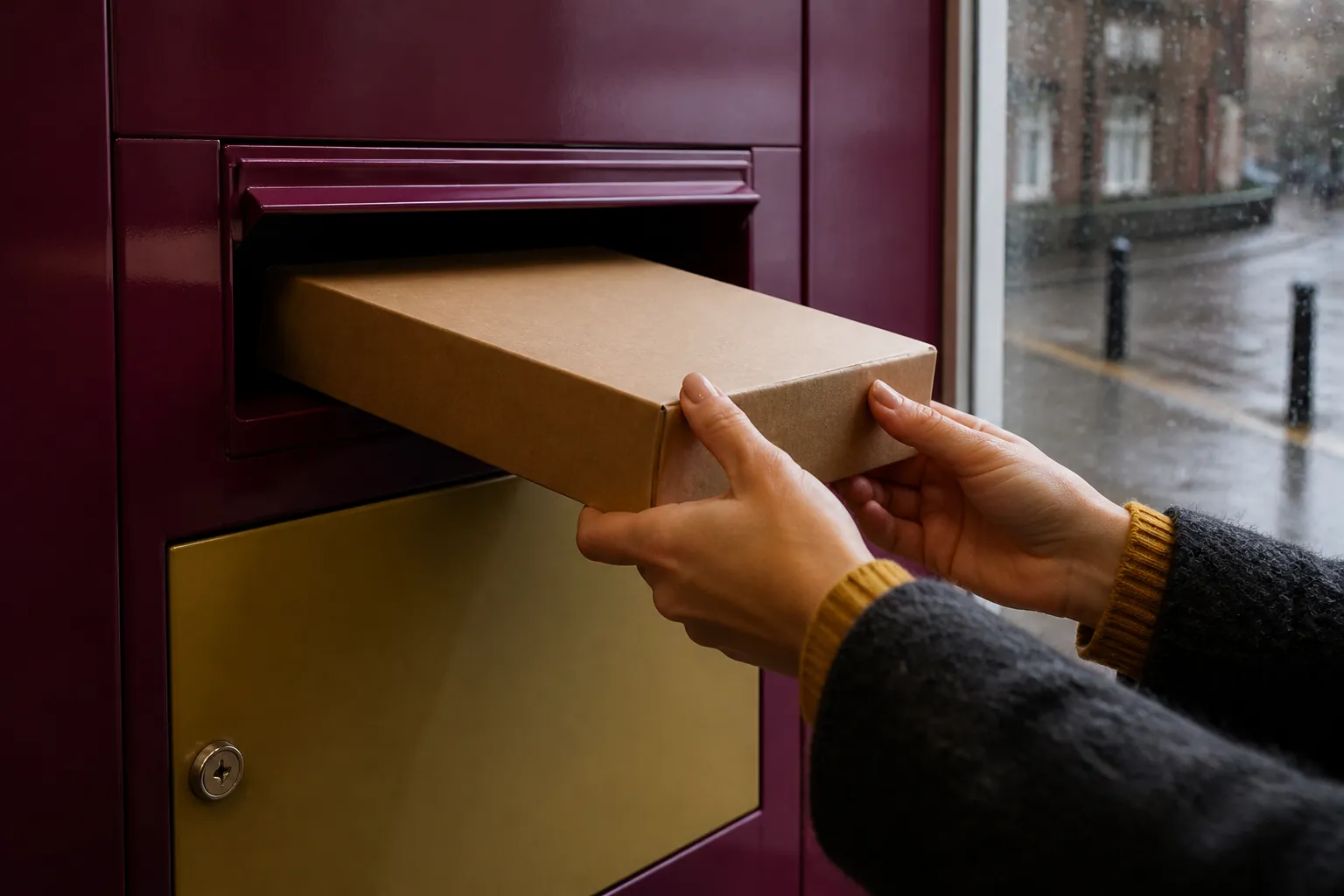
Package it exactly as supplied, because the return stage decides whether the specimen arrives usable. Close the device as instructed. Allow drying only where the method requires it, for the stated period and away from contamination. Put each component into its intended protective layer. Confirm the identifiers and dispatch promptly through the specified service.
Photographing the sealed return package and retaining tracking may help resolve logistics, but do not post identifiable health details publicly, as a photograph cannot establish specimen quality inside the package.
What should you never do with a failed sample?
Never try to rescue a sample by improvising, as it only creates a second rejection. Do not top up an old sample on another day; transfer blood between tube types; use someone else's lancet, tube or order; freeze, refrigerate or heat a sample unless instructed; guess at fasting requirements; repeat multiple punctures against provider advice; or change medicines or treatment because a specimen failed.
What if the repeat also fails?
Contact the provider rather than ordering endless self-collected repeats. Ask whether the collection format suits you, whether assisted or venous collection is available, and which tests were affected. A clinician can advise on the right testing route for symptoms or ongoing care.
Home wellness testing is not an emergency service. For urgent or severe symptoms, use NHS 111, 999 or appropriate urgent-care routes according to severity, and do not wait for a replacement kit.
The key takeaway
A rejection is a quality-control decision that may delay an answer, but reporting an unreliable number would be worse. Learn the exact reason, respect the method-specific instructions, and escalate when self-collection is not working for you.

Still unsure why your sample was rejected or which kit to repeat with? Contact the mescreen™ team for the stated reason and the right next step, or browse the mescreen™ blog for more home-testing guidance.
Author: Dr Dooa Arif. Reviewer: Hemal Patel, PhD. Published: 29 August 2026.
Sources: University Hospital Southampton NHS specimen rejection policy; Royal Cornwall Hospitals NHS acceptance/rejection policy; Miller et al. on dried blood spot quality (peer-reviewed); Lim on dried blood spots for global health diagnostics (peer-reviewed); NHS blood tests guidance.
Sources
- https://www.uhs.nhs.uk/Media/UHS-website-2019/Docs/Services/Pathology/Lab-med/Specimen-Rejection.pdf
- https://doclibrary-rcht.cornwall.nhs.uk/DocumentsLibrary/RoyalCornwallHospitalsTrust/Clinical/Pathology/PathologySpecimenAcceptanceAndRejectionPolicy.pdf
- https://pmc.ncbi.nlm.nih.gov/articles/PMC5436398/
- https://www.mdpi.com/2409-515X/6/2/26
- https://www.nhs.uk/conditions/blood-tests/
- https://mescreen.co.uk/how-to/
- https://mescreen.co.uk/how-it-works/