
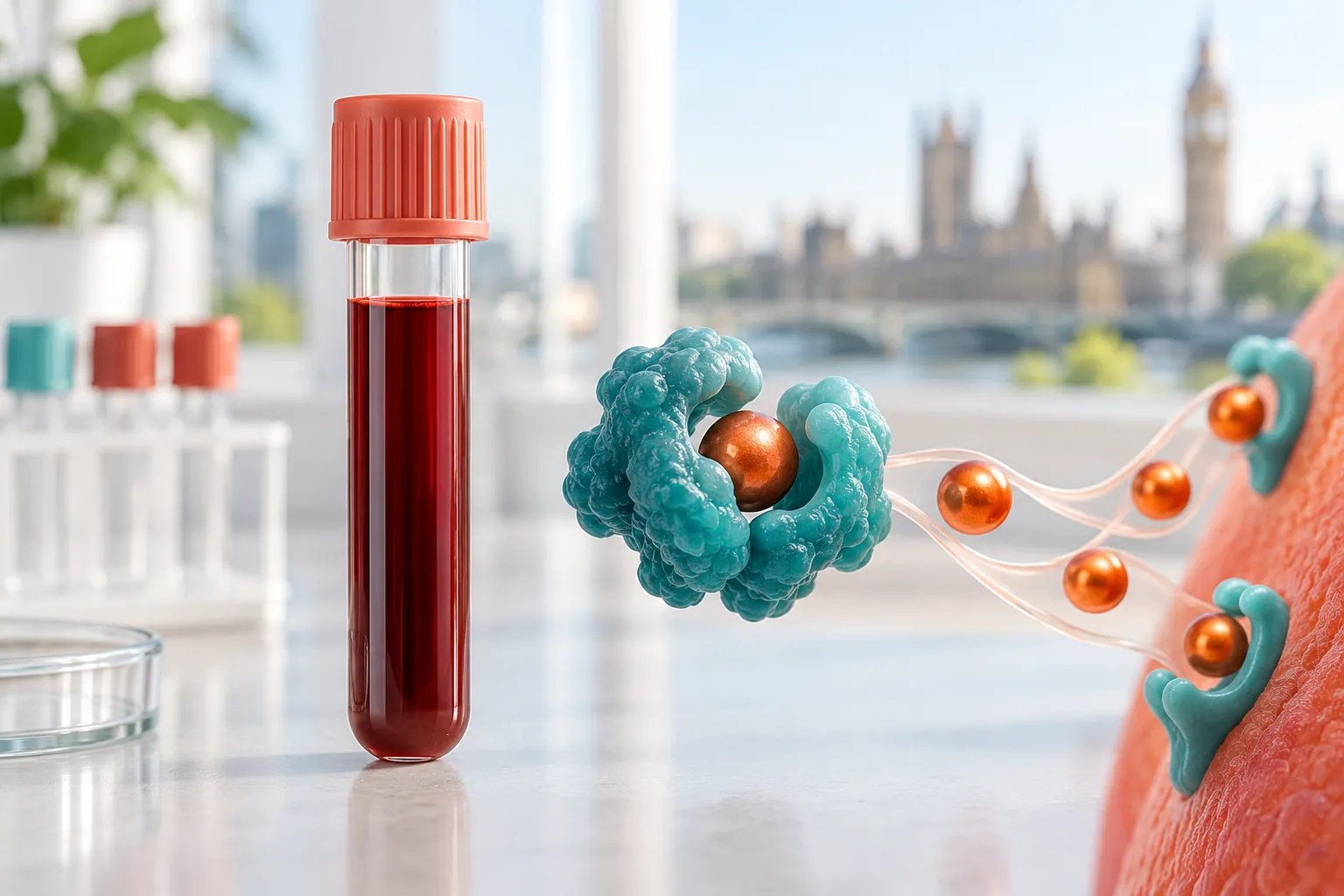
TL;DR: A transferrin test helps assess the blood's capacity to carry iron, but the result needs related iron measurements, symptoms and clinical context.
Key takeaways
- Transferrin is a protein involved in carrying iron in the blood.
- Total iron-binding capacity, or TIBC, is related to the transferrin available to bind iron.
- TIBC and transferrin are similar tests, but the report name, units and laboratory range still matter.
- One result cannot establish why iron measurements are abnormal.
- Do not start, stop or change iron supplements because of this article or one result.
What does a transferrin test measure?
A transferrin test measures a protein involved in iron transport, while total iron-binding capacity estimates the blood's capacity to bind and carry iron. The NHS TIBC and transferrin page describes transferrin as a protein made by the liver and explains that TIBC relates to the transferrin available to attach to iron.
The exact assay reported by a laboratory matters. Keep the test name, value, unit, reference interval and collection date together rather than carrying the number around on its own. A detached result is impressively portable and considerably less useful.
Are transferrin and TIBC the same test?
Transferrin and TIBC are closely related, but they should not be treated as interchangeable labels without checking the report. The NHS says they are different tests that broadly measure the same aspect of iron transport, so a person will usually have one or the other.
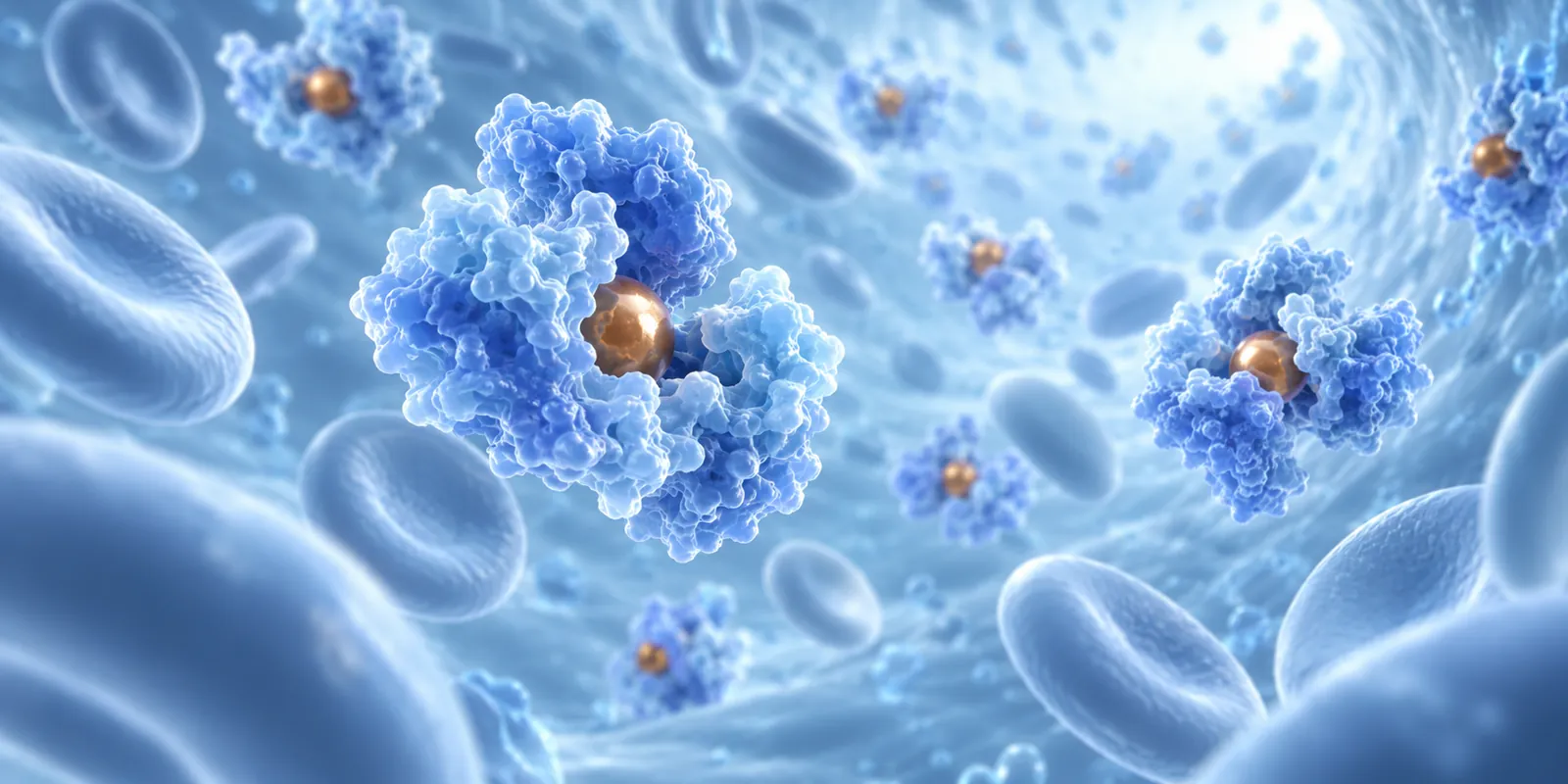
Laboratories may report transferrin concentration, TIBC or a calculated measure alongside serum iron. Units and reference intervals can differ. Compare repeat results only after confirming that the analyte, method, units and laboratory context are genuinely comparable.
This is also why an online threshold copied from another service may not fit the result in front of you. Biology already brings enough variability. It does not need help from mismatched units.
What is transferrin saturation?
Transferrin saturation is a calculated proportion that relates circulating iron to the available iron-binding capacity. It answers a different question from transferrin concentration or TIBC alone.
The calculation and units should come from the reporting laboratory or responsible clinician. A saturation result can contribute to an iron assessment, but it does not by itself diagnose the cause of a high or low pattern.
Ferritin, haemoglobin and transferrin-related results describe different parts of the picture. mescreen™'s published ferritin blood test guide explains why an iron-storage marker still needs inflammation, blood-count and clinical context.
What pattern can occur with iron deficiency anaemia?
Iron deficiency anaemia can be associated with low iron and a higher TIBC, but diagnosis and cause-finding require more than that pair of results. The NHS TIBC page describes this broad pattern. Its iron deficiency anaemia guidance says assessment usually includes history and a full blood count, with further tests when the reason is unclear.
A full blood count measures blood cells and related features, including haemoglobin. It does not become the same test as ferritin, transferrin or TIBC merely because the results often appear in the same conversation.

The cause matters because iron deficiency anaemia can have different explanations. The NHS lists pregnancy, heavy periods and bleeding from the stomach or intestines among possible contexts. That list is not a tool for self-diagnosis, and this article cannot determine which explanation applies to an individual.
Can a low TIBC mean iron deficiency?
A low TIBC is not the usual simple pattern described for iron deficiency anaemia, and it needs clinical interpretation. The NHS page notes that TIBC can also be low in liver disease because transferrin is produced by the liver.
That statement does not mean a low result diagnoses liver disease. Results can be influenced by the wider clinical situation, assay and related measurements. The correct question is what the combined pattern means in the reason the tests were requested.
One arrow beside one number is very efficient at attracting attention. It is less gifted at writing the entire diagnostic plot.
Which related results may matter?
Related results may include serum iron, ferritin, transferrin saturation and a full blood count, depending on the clinical question. In some situations, clinicians may consider inflammation, liver tests, kidney function, bleeding history, diet, pregnancy, medicines or supplements.
Not every person needs every test. More measurements can create more incidental abnormalities without answering a useful question. The requesting clinician decides which combination is appropriate from the symptoms, history and initial results.

For the blood-count component, mescreen™'s verified full blood count guide explains what the panel does and does not count. Keep all related reports available rather than presenting one selected result from a larger assessment.
Can food, medicines or supplements affect the context?
Food, medicines and supplements may affect how an iron assessment is planned or interpreted, but there is no safe universal preparation rule for every panel. Follow the instructions from the clinician or service arranging the exact tests.
Do not start iron “just in case” before seeking advice about an unexplained result. The NHS advises following a GP's instructions on iron treatment and warns that an overdose can be fatal to a young child. Keep iron tablets out of children's reach.
Bring a complete medicine and supplement list to the review, including dose and timing. Do not stop prescribed treatment for testing unless the responsible clinician specifically tells you to do so.
What should you do with an unexpected result?
Keep the complete report and ask the requesting clinician what the combined pattern means. Useful details include the reason for testing, symptoms, relevant bleeding or pregnancy history, recent illness, diet, medicines, supplements and previous comparable results.
If symptoms are severe or rapidly worsening, seek appropriate urgent NHS help based on the symptoms, not on reassurance from an earlier result. A transferrin or TIBC result is not an emergency triage tool.
mescreen™'s current process page clearly separates its wellness assessment from NHS diagnostic blood tests and says symptoms, medication questions and diagnosed conditions belong with appropriate clinical care. A wellness result should not delay that route.

Limitations
This article cannot interpret an individual's transferrin, TIBC, iron or saturation result. It cannot diagnose iron deficiency, anaemia, iron overload, liver disease, inflammation or the cause of symptoms. Laboratory methods, units and decision thresholds vary, and pregnancy or specific medical conditions may require different pathways.
What is the next sensible step?
Keep the exact test names, values, units, ranges, date and related results together. Ask the clinician or service that arranged the tests whether the pattern needs repeat testing, further assessment or no action.
Sources
- Total iron-binding capacity and transferrin test, NHS. Definitions of TIBC and transferrin, broad iron-deficiency pattern and liver context.
- Iron deficiency anaemia, NHS. Current symptoms, full blood count, causes, treatment and supplement safety guidance.
- Ferritin Blood Test: Context Matters, mescreen™ UK. Related iron-storage and result-context guidance.
- Full blood count: What is counted?, mescreen™ UK. Related blood-cell panel scope and limitations.
- How mescreen™ Works, mescreen™ UK. Current wellness process and diagnostic boundary.