

TL;DR: An LDH blood test measures lactate dehydrogenase activity, but a raised result is a non-specific finding that needs clinical context and attention to sample quality.
Key takeaways
- Lactate dehydrogenase, or LDH, is an enzyme found widely in the body's cells.
- A single LDH measurement has limited diagnostic value on its own.
- Red blood cells breaking down in a sample can falsely raise the result.
- The reporting laboratory's reference interval and comments belong with the number.
These points follow the laboratory guidance from Gloucestershire Hospitals NHS Foundation Trust and University Hospitals Sussex.
What does an LDH blood test measure?
An LDH blood test measures the activity of lactate dehydrogenase, an enzyme found widely in the body's cells. Gloucestershire Hospitals describes LDH as having several forms and states that its laboratory measures total activity, rather than separating those forms in the routine assay. Source: Gloucestershire Hospitals.
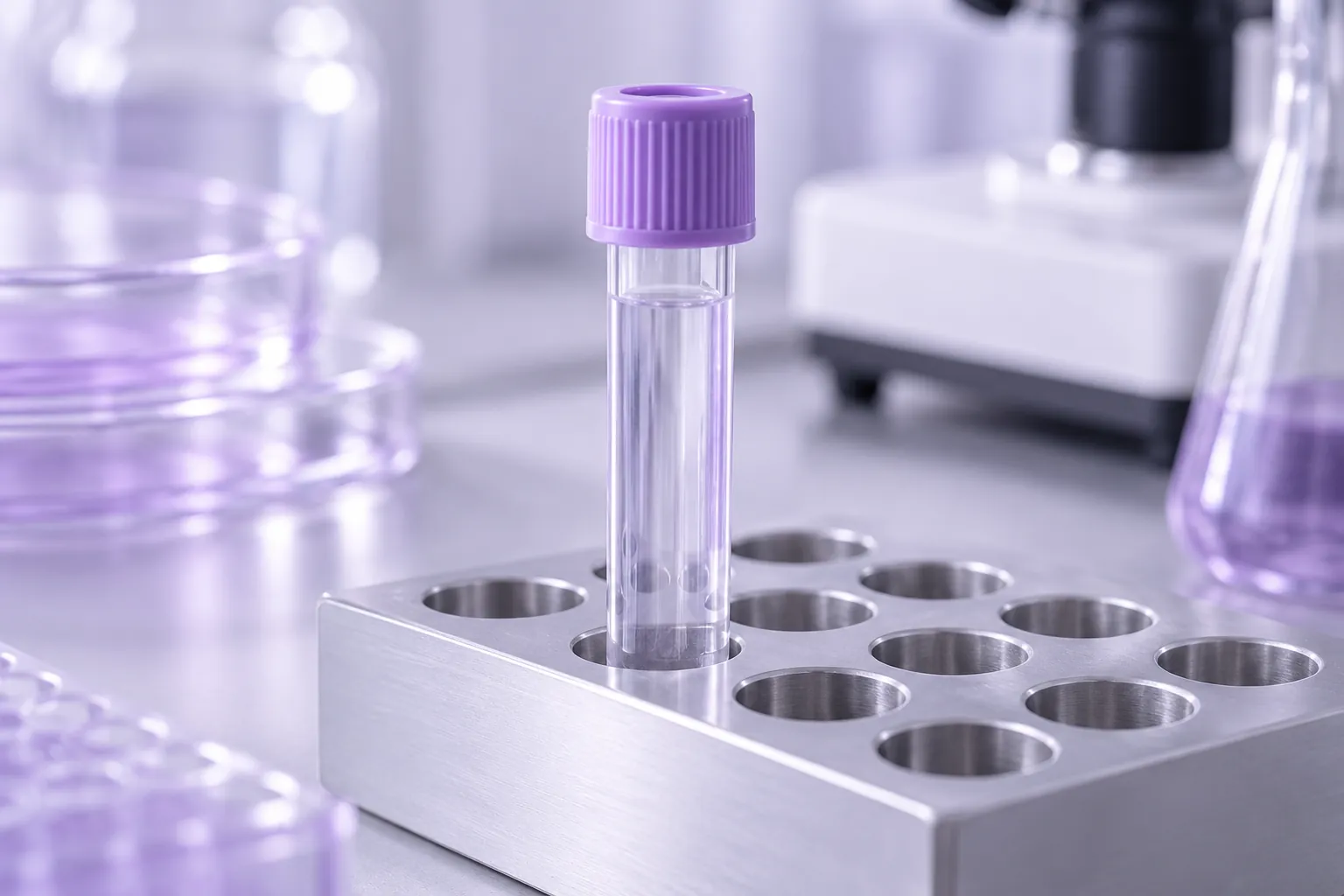
That matters because a result is not a map showing where it came from. The same NHS guidance describes LDH as a non-specific indicator that can rise in numerous processes involving tissue damage. A single measurement has limited diagnostic value. Source: Gloucestershire Hospitals.
The useful starting question is therefore not simply whether the number is high. It is why the test was requested and what the clinician is assessing alongside it. A three-letter abbreviation is not obliged to provide a three-word explanation of everything.
Does a raised LDH result identify a diagnosis?
No, a raised LDH result does not identify one diagnosis on its own. Gloucestershire Hospitals explicitly describes the test as non-specific, while Sussex says results should be assessed with medical history, clinical examination and other findings. Sources: Gloucestershire Hospitals and University Hospitals Sussex.
For the reader, that means a result flag should start a discussion with the requesting clinician, not a search for a single matching condition. This article does not offer a list of diagnoses to attach to a number, because the laboratory guidance does not make that leap either.
Useful questions for that discussion include what clinical question prompted the test, which other findings matter and whether the laboratory added a comment about the sample. Those are questions about the assessment, not instructions to arrange a particular investigation yourself.
Can the blood sample itself affect LDH?
Yes, breakdown of red blood cells in the sample can falsely increase LDH. This is called haemolysis, and Sussex explains that red blood cells contain high LDH activity, which can elevate the reported result when those cells break down. Source: University Hospitals Sussex.

Gloucestershire Hospitals also warns that haemolysis or delayed separation of cells from the blood can produce falsely high levels. This is a sample-quality limitation, not a reason to decide for yourself that an abnormal result must be an error. Source: Gloucestershire Hospitals.
If the report mentions haemolysis, ask the requesting service what that comment means for the result and whether any follow-up is needed. Our explainer on a haemolysed blood sample covers the terminology. The laboratory comment deserves at least as much attention as the coloured flag beside the number.
What is the normal range for LDH?
Use the reference interval printed on your own laboratory report rather than borrowing a range from another website. The published LDH intervals at Sussex and Gloucestershire Hospitals differ, and both provide age-related information.
Keep the result, units, local interval and sample comments together when discussing the report. Sussex's guidance requires interpretation alongside the person's history, examination and other findings; the range is not the whole assessment. Source: University Hospitals Sussex.
For the broader distinction between a laboratory comparison and a conclusion about health, read our guide to blood test reference ranges. Biology has not yet agreed to be managed by one universal spreadsheet.

Is LDH a mitochondrial performance score?
No, routine LDH should not be presented as a standalone mitochondrial performance score. The NHS laboratory guidance describes a non-specific enzyme result with limited diagnostic value in isolation, not a score of cellular energy performance. Source: Gloucestershire Hospitals.
mescreen™'s separate mitochondrial function assessment is described on its current UK product page as a wellness and functional laboratory assessment, not a medical diagnostic test. That description does not make it a substitute for clinical assessment of an LDH result.
The distinction is important: an article explaining a routine laboratory marker is not evidence that a separate wellness service diagnoses its cause or improves health outcomes. Different tests need their own intended use and evidence, even when the marketing vocabulary happens to share an interest in cells.
Limitations
This article explains the scope and limitations of a routine LDH result. It cannot interpret an individual's report, identify the source of a raised result, determine whether a sample was suitable or recommend tests or treatment.
The cited NHS pages are laboratory guidance, not studies showing a benefit from buying MeScreen. No claim is made here that mescreen™ measures routine LDH or diagnoses, treats or prevents a condition.
What is a sensible next step?
Discuss an unexpected LDH result with the clinician or service that requested it, using the complete report and its comments. Ask what question the test was intended to answer and how it fits with the rest of the assessment.

If you are separately considering mescreen™, read its current product scope before deciding whether a non-diagnostic wellness assessment matches your purpose. Keep that purchasing decision separate from follow-up of a clinical blood result.