

TL;DR: An HbA1c blood test reflects glucose exposure over recent months, but the result needs clinical context because red-cell changes and some conditions can make it unsuitable.
Key takeaways
- HbA1c measures glycated haemoglobin, which relates to average blood glucose over the lifespan of red blood cells.
- It is used to monitor diabetes and can support diagnosis in appropriate circumstances.
- It is not suitable as the sole diagnostic test in every person or clinical situation.
- A result below a diagnostic threshold does not exclude diabetes diagnosed by glucose testing.
- Do not change medicines, diet or monitoring because of this article or one result.
What does an HbA1c blood test measure?
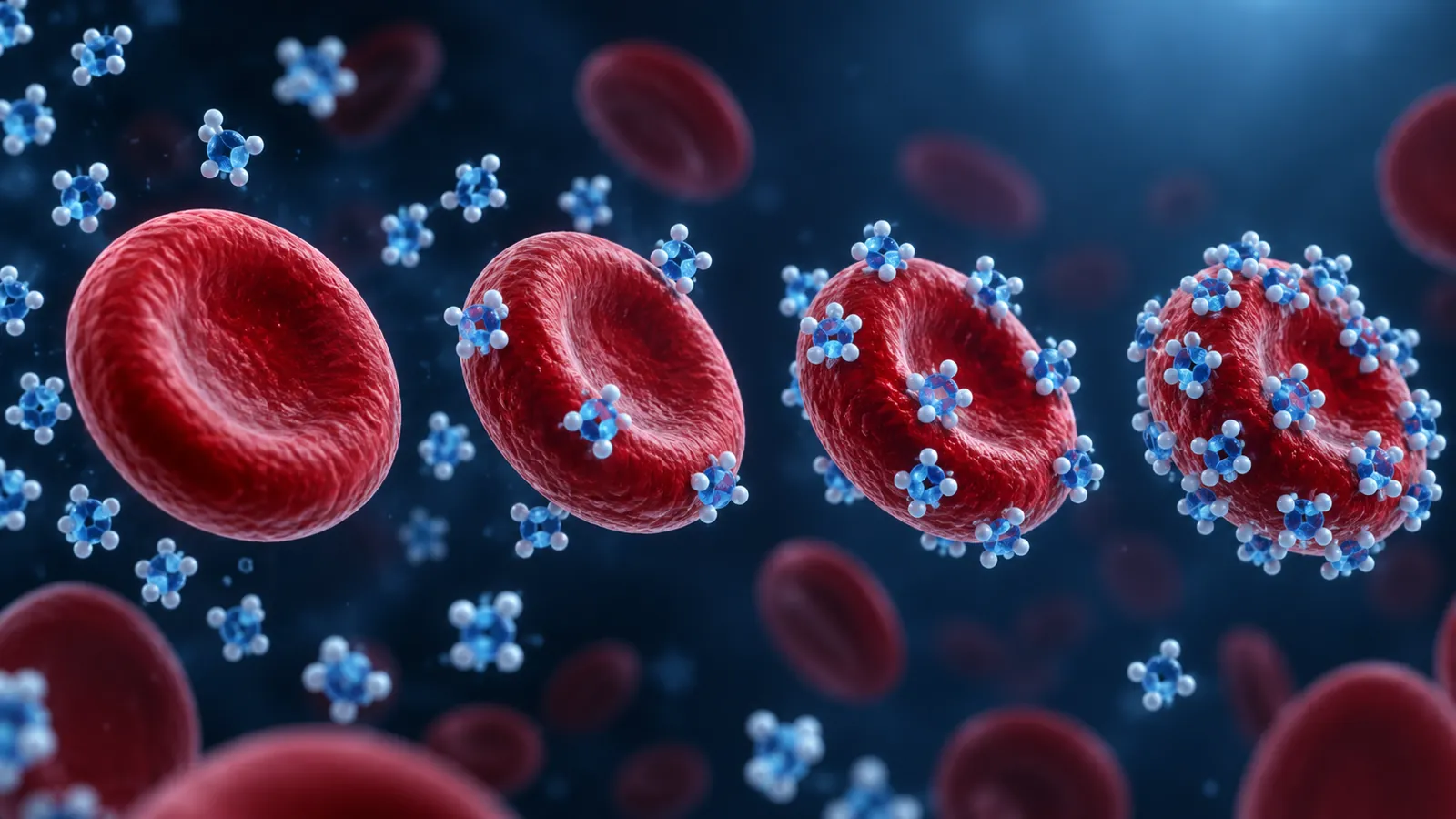
An HbA1c blood test measures glycated haemoglobin, which forms when glucose attaches to haemoglobin in red blood cells. Gloucestershire Hospitals NHS Foundation Trust says the amount formed relates to average blood glucose over the red blood cell lifespan and reflects the preceding two to four months.
HbA1c is reported in mmol/mol in UK laboratories. Keep the exact result, unit, laboratory information and collection date together. A number separated from its unit is not simplified medicine. It is merely missing luggage.
HbA1c is different from a glucose measurement taken at one point in time. The tests can answer related but not identical questions.
Can HbA1c diagnose diabetes?
HbA1c can support diagnosis of diabetes in appropriate circumstances, but it is not suitable as the sole diagnostic test for everyone. The Gloucestershire Hospitals laboratory guidance states that HbA1c can be used diagnostically when quality and standardisation requirements are met and no condition prevents accurate measurement.
That guidance lists 48 mmol/mol or above as a diagnostic threshold in most situations, with confirmation requirements depending on symptoms and circumstances. It also says a value below 48 mmol/mol does not exclude diabetes diagnosed using glucose tests.
This is not a prompt to diagnose yourself from a threshold. Symptoms, speed of onset, age, pregnancy, acute illness and other factors can change which test and pathway are appropriate.
Why does red-cell biology affect the result?
Red-cell biology matters because HbA1c depends on haemoglobin exposure to glucose over time. Conditions that alter red-cell lifespan or haemoglobin can change the relationship between the result and average glucose.
The same NHS laboratory guidance lists anaemia, haemoglobin-related factors and altered red-cell turnover among reasons HbA1c may be unsuitable or require caution. Kidney disease, pregnancy, HIV and some medicines or recent treatments can also affect the testing context.
Do not decide that a result is false or harmless because one of these factors might apply. Tell the clinician reviewing the test about relevant conditions, pregnancy, medicines and recent treatment so they can choose the appropriate interpretation or alternative testing.
When should HbA1c not be used alone?
HbA1c should not be used alone when the clinical situation can make it inaccurate or when a faster-changing glucose problem is suspected. Gloucestershire Hospitals lists suspected type 1 diabetes, short-duration symptoms, acute illness, pregnancy and several conditions affecting blood or red-cell turnover among situations needing another approach.
New or rapidly worsening symptoms need timely clinical assessment. Do not wait for a routine private test or use a previous HbA1c result to dismiss current symptoms.
Urgent-care advice should come from current NHS routes or the clinician responsible for the person. This article cannot assess urgency.
What does HbA1c show when monitoring diabetes?
For someone with diagnosed diabetes, HbA1c can help monitor glucose control over time. The target and testing interval are personalised clinical decisions that depend on the diabetes type, treatment, risks and wider health.
One result should be compared with the person's agreed plan and relevant previous results. A change may reflect glucose exposure, but interpretation can also require checking laboratory context, treatment changes and factors affecting red cells.
Do not start, stop or alter diabetes medicine because of an article or a single laboratory number. Take the full report to the diabetes team or healthcare professional who requested it.
Is fasting needed for an HbA1c test?
HbA1c itself generally does not require fasting because it is not a snapshot of the glucose concentration at the moment of collection. However, other tests ordered at the same appointment may have different preparation instructions.
Follow the instructions from the service arranging the sample. Do not change food, fluids, exercise, supplements or medicines unless the responsible healthcare professional tells you to do so.
The test name matters here too. An appointment described loosely as a blood sugar check may include a different test with different preparation.

Can a normal-looking result rule out a problem?
No. A result below a diagnostic threshold cannot rule out every glucose disorder or explain away symptoms. Gloucestershire Hospitals explicitly notes that HbA1c below 48 mmol/mol does not exclude diabetes diagnosed using glucose tests.
Clinical assessment may use symptoms and a different glucose test where HbA1c is unsuitable or the suspicion remains high. Equally, an elevated result needs confirmation and interpretation through the appropriate clinical pathway rather than a dramatic conclusion assembled at home.
For another example of why one blood panel has a defined scope, see the verified full blood count guide.
Does mescreen™ provide an HbA1c blood test?
The current How mescreen™ Works page describes an at-home dried blood spot wellness and functional laboratory assessment focused on cellular-energy signals. It says the service is not a diagnostic test and should not replace NHS blood tests, urgent assessment or specialist referral.
That page does not describe mescreen™ as an HbA1c blood test. This article does not establish that mescreen™ measures HbA1c, diagnoses diabetes, monitors diabetes treatment or interprets an individual's HbA1c result.
A wellness assessment and a clinical diabetes test are different services answering different questions. More data does not become the right data through enthusiasm alone.
Limitations
This article provides general UK information, not personalised medical advice. It cannot decide which test someone needs, interpret an individual result, diagnose or exclude diabetes, set a target, assess urgency or recommend changes to medicines, food, exercise or monitoring.
The cited Gloucestershire page describes current guidance and practice for a particular NHS laboratory service. Local pathways and laboratory methods can differ. Generated images are editorial illustrations, not patient samples, real reports, mescreen™ equipment or evidence of diagnostic performance.

What is the sensible next step?
Keep the complete result, unit, laboratory information, collection date, symptoms, relevant conditions and medicines together. Ask the healthcare professional who arranged or is reviewing the test what the result means and whether another test or follow-up is needed.
If symptoms are new, severe or worsening, use the appropriate current NHS care route rather than waiting for a private wellness result.
Sources
- Haemoglobin A1c (HbA1c), Gloucestershire Hospitals NHS Foundation Trust. Measurement, diagnostic use, exclusions and interpretation limits.
- How mescreen™ Works, mescreen™ UK. Current dried blood spot process, wellness scope and intended-use boundary.
- Full blood count: What is counted?, mescreen™ UK. Verified related guide on defined test scope and clinical context.