
TL;DR: Gilbert's syndrome is an inherited condition that can cause intermittent mild jaundice, but a raised bilirubin result is a reason for clinical assessment, not a diagnosis to make yourself (NHS).
Key takeaways
- Gilbert's syndrome can cause mild yellowing of the skin or whites of the eyes that comes and goes (NHS).
- Diagnosis can involve blood tests, including liver tests; a genetic test is sometimes needed (NHS).
- If you think you have jaundice and have not been diagnosed with Gilbert's syndrome, ask for an urgent GP appointment or get help from NHS 111 (NHS).
- mescreen™ describes its UK service as a wellness and functional laboratory assessment, not a medical diagnostic test (mescreen™ UK).
What is Gilbert's syndrome?
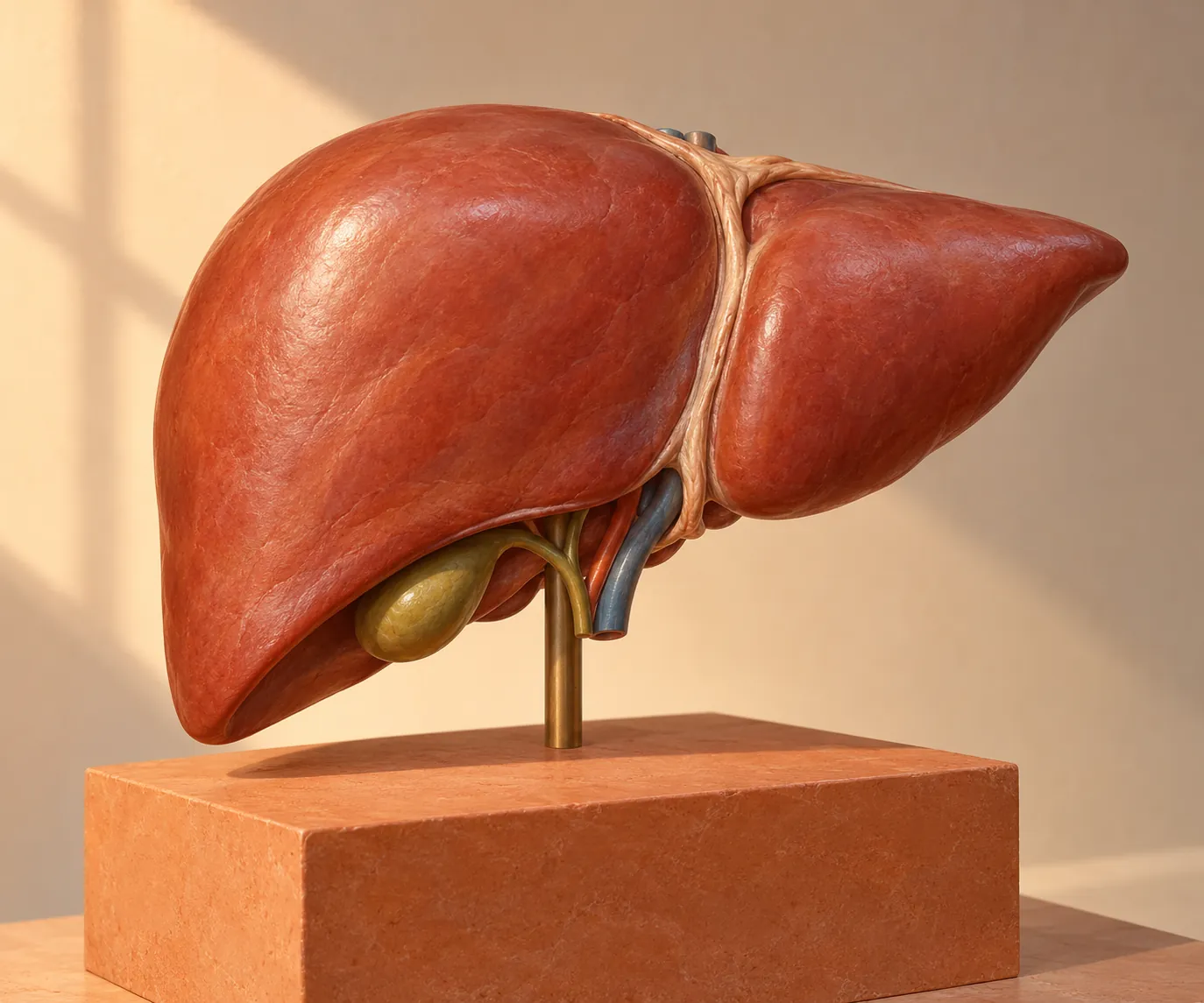
Gilbert's syndrome is an inherited condition in which an altered gene affects the liver and allows a substance called bilirubin to build up in the bloodstream. The NHS describes mild jaundice, meaning yellowing of the skin or whites of the eyes, as its most common symptom (NHS).
The NHS says diagnosed Gilbert's syndrome does not damage the liver and does not usually cause serious health problems. That statement concerns this particular condition, not every raised bilirubin result or every episode of yellowing (NHS).
The useful distinction is between understanding a possible explanation and deciding that it is your explanation. A search result is useful reading. It is not a clinic appointment with a particularly efficient waiting room.
Does raised bilirubin mean Gilbert's syndrome?
Raised bilirubin does not, by itself, establish Gilbert's syndrome. The NHS explains that bilirubin can build up for many reasons and lists several possible causes of jaundice, including gallstones, hepatitis and alcohol-related liver disease. These are reasons for assessment, not a checklist for diagnosing yourself (NHS jaundice guidance).
The NHS says Gilbert's syndrome can be diagnosed using blood tests, including a test to check how well the liver is working. A genetic test is sometimes needed to confirm it (NHS).
For the broader test vocabulary, our bilirubin blood test explainer is a separate introduction. The condition-specific question here is what a clinician has established, rather than which reassuring label seems to fit an isolated number.
If the report has prompted questions, ask the requesting clinician what the findings mean together and whether any further assessment is needed. This article cannot supply that individual judgement.

When should you seek urgent help?
Ask for an urgent GP appointment or get help from NHS 111 if you think you have jaundice and have not been diagnosed with Gilbert's syndrome. If you already have that diagnosis, the NHS gives the same urgent advice when the jaundice is worse than usual or does not go away within a few days (NHS).
The NHS notes that yellowing of the skin may be less noticeable on brown or black skin, while a change may be easier to see in the whites of the eyes. It also says itchy skin, darker urine and paler stools are not usual features of Gilbert's syndrome and may indicate another cause of jaundice (NHS).
Do not wait for a wellness test or a future report before following the appropriate urgent-care advice. The NHS's general jaundice guidance also advises urgent help for yellowing of the skin or whites of the eyes.
Does Gilbert's syndrome need treatment?
Gilbert's syndrome does not usually need medical treatment, according to the NHS. That is information about a diagnosed condition, not a recommendation to ignore a new result or unexplained symptom (NHS).

The NHS also advises speaking to a GP or pharmacist before starting new medicines, because closer monitoring may be needed with certain medicines. Do not stop or change prescribed treatment on the strength of an article (NHS).
No supplement programme, dietary change or fasting experiment is proposed here. Our editorial judgement is straightforward: establish what has been diagnosed before buying something marketed as an answer. The wellness aisle does not need to be the first stop after every unfamiliar laboratory term.
Where does mescreen™ fit?
mescreen™'s current UK information describes a wellness and functional laboratory assessment and says it is not a medical diagnostic test. Its process page says the report must not replace NHS blood tests or delay care (mescreen™ UK).
This article does not establish that mescreen™ measures bilirubin, diagnoses Gilbert's syndrome or investigates jaundice. Those are not benefits claimed here.
If you are considering the separate wellness service, read how mescreen™ works and its stated boundaries. For a bilirubin result or possible jaundice, take the clinical question to the healthcare professional responsible for your care, using the urgent route above when relevant.

Limitations
This is an adult health-literacy article, not personalised medical advice or an interpretation of a test result. It cannot diagnose Gilbert's syndrome, exclude another cause of jaundice or establish that an in-range result rules out illness. It does not cover newborn jaundice or claim diagnostic or health-outcome benefits for MeScreen. Images are generated editorial illustrations, not patient results, mescreen™ facilities or representations of a particular person's condition.