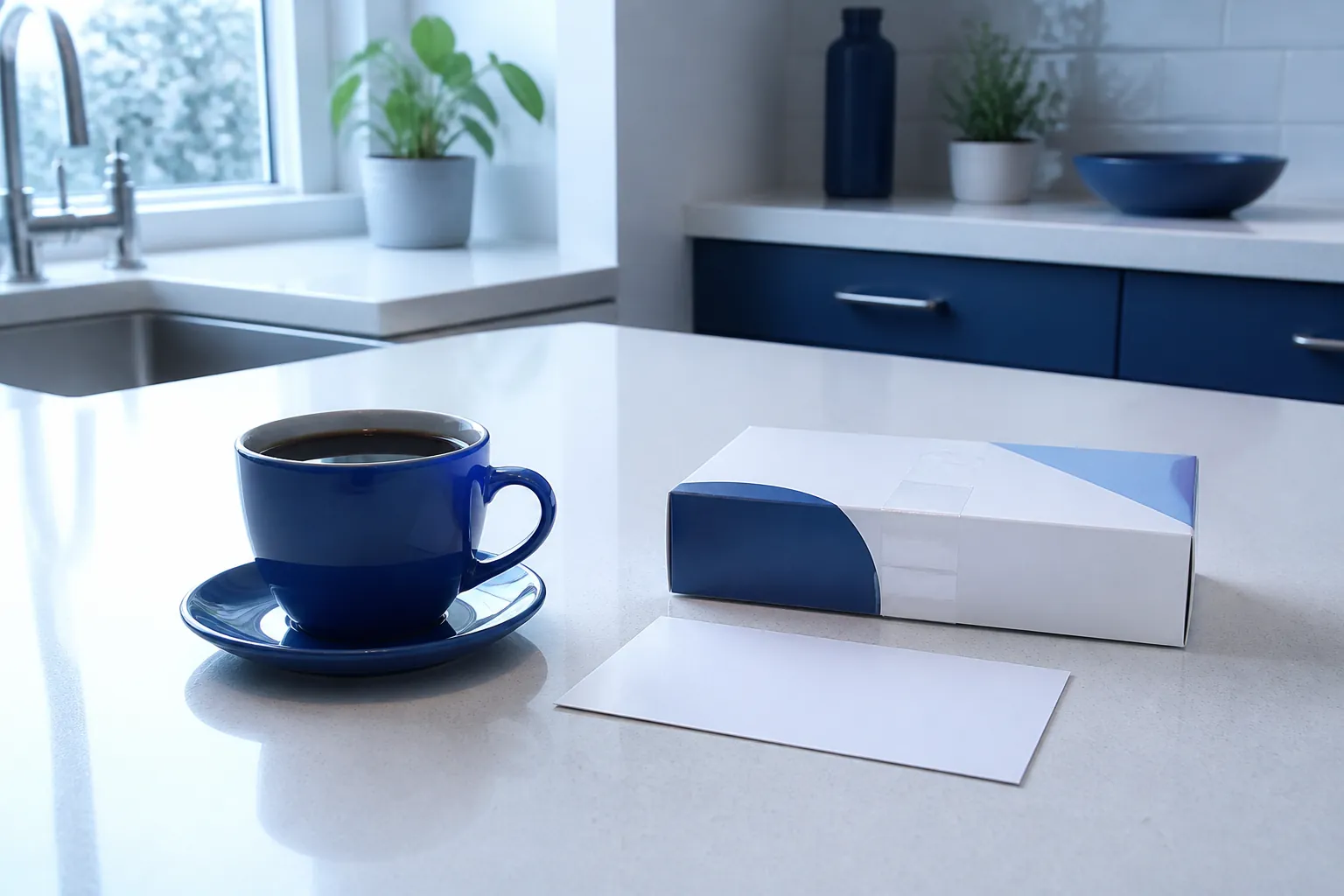
TL;DR: If you have been told to fast for a blood test, do not drink coffee, including black coffee, unless the service that ordered the exact test explicitly says it is allowed.
Key takeaways
- Not every blood test requires fasting.
- NHS guidance says some tests require no food or drink other than water for a short time beforehand.
- A current NHS hospital fasting instruction excludes coffee and tea, including when taken without milk or sugar.
- Do not stop prescribed medicine to prepare for a test unless the responsible healthcare professional tells you to.
- If you drank coffee accidentally, tell the collection service before the sample is taken.
Can you drink coffee before a blood test?
You should avoid coffee when your blood test instructions require fasting, unless the provider for that exact test says otherwise. Black coffee is still coffee. Removing milk and sugar does not turn it into unusually ambitious water.
The NHS blood test overview says the GP, nurse or specialist should tell you whether preparation is needed. It gives fasting, meaning not eating or drinking anything other than water for a short time, as one example.
For a specifically fasting test, Kingston and Richmond NHS Foundation Trust tells patients to have only plain water and no coffee or tea during its stated fasting period. Instructions can vary by test and service, so the booking or laboratory directions control.
Do all blood tests require fasting?
No, many blood tests do not require fasting, and fasting without being asked can create needless inconvenience or affect comparability. Preparation depends on the marker, method and clinical question.
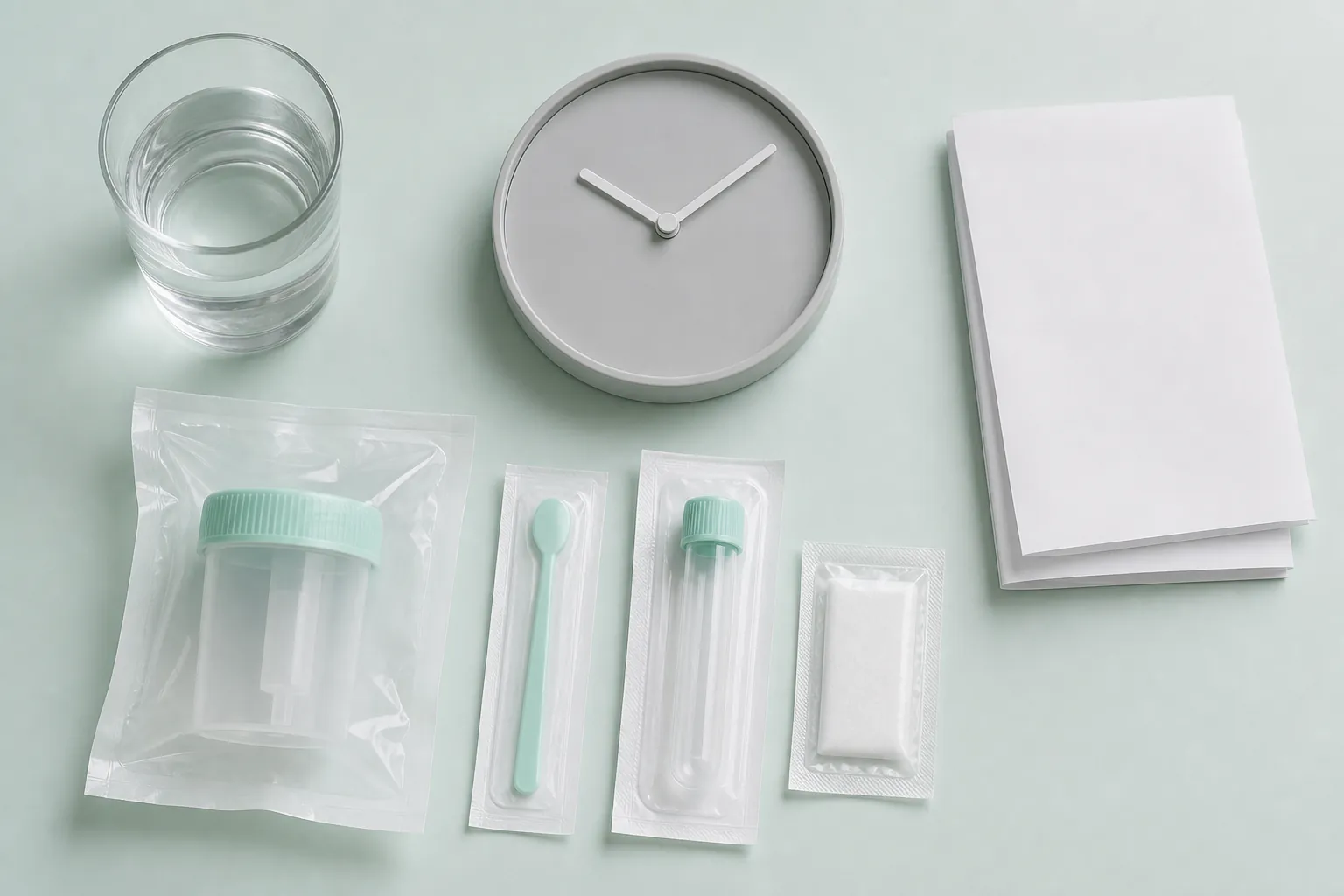
Do not borrow instructions from another test, a relative or an online list. Check the request, booking confirmation and kit instructions. If they disagree or remain unclear, contact the service that ordered or processes the sample.
mescreen™'s live guide on preparing for a blood biomarker test makes the same practical point: follow the instructions for the exact panel. More deprivation is not automatically more scientific.
Why can coffee matter during a fast?
Coffee matters because a fasting condition is intended to standardise what was consumed before collection, and coffee is not plain water. The size, ingredients, caffeine content and timing of a drink can vary.
This article does not claim that one cup changes every marker or makes every result unusable. The effect depends on the test and protocol. The safe operational rule is narrower: when the instruction says plain water only, coffee does not meet it.
Do not try to compensate by delaying the appointment for an improvised number of hours. Ask the responsible service whether to proceed or rebook.
Does black coffee count as fasting?
Not under a plain-water-only fasting instruction. Black coffee contains no milk, but it is still outside the stated condition.
Sugar-free syrups, sweeteners, cream, milk and supplements add further variables. Decaffeinated coffee also remains coffee. A fasting instruction is not a puzzle in which the least calorific loophole wins.
Use the exact wording supplied for the test. If a research protocol or specialist test explicitly permits something different, that written protocol controls for that test.
Can you drink water before the test?
Plain water is commonly permitted when UK fasting blood-test instructions say water only, but the amount and timing should follow the provider's directions. The NHS general page describes fasting for some tests as avoiding food and drink other than water.
Kingston and Richmond NHS Foundation Trust advises plain water during its fasting period and says not to drink more than the amount normally consumed in that period. This illustrates why generic advice should not overwrite the exact instruction.
Do not add lemon, flavouring, electrolyte powder, vitamins or effervescent tablets unless the test service says they are allowed. They are no longer plain water.
What about medicines and supplements?
Do not stop, delay or change prescribed medicine unless the clinician or service responsible for the test has told you to do so. The appropriate instruction depends on the medicine and reason for testing.
The NHS notes that a professional may sometimes give medicine-related preparation instructions. That is not permission to make the change independently. Contact the prescriber or collection service if the written directions are unclear.
Tell the service about relevant medicines and supplements when asked. Keep the timing accurate rather than editing the story to make the morning look tidier.
What if you drank coffee by mistake?
Tell the collection service what you drank, how much and when, before the sample is taken. They can decide whether the test can proceed, needs an annotation or should be rearranged.
Do not conceal the coffee or assume that extra water cancels it. A transparent preparation record is more useful than a technically completed sample with questionable conditions.
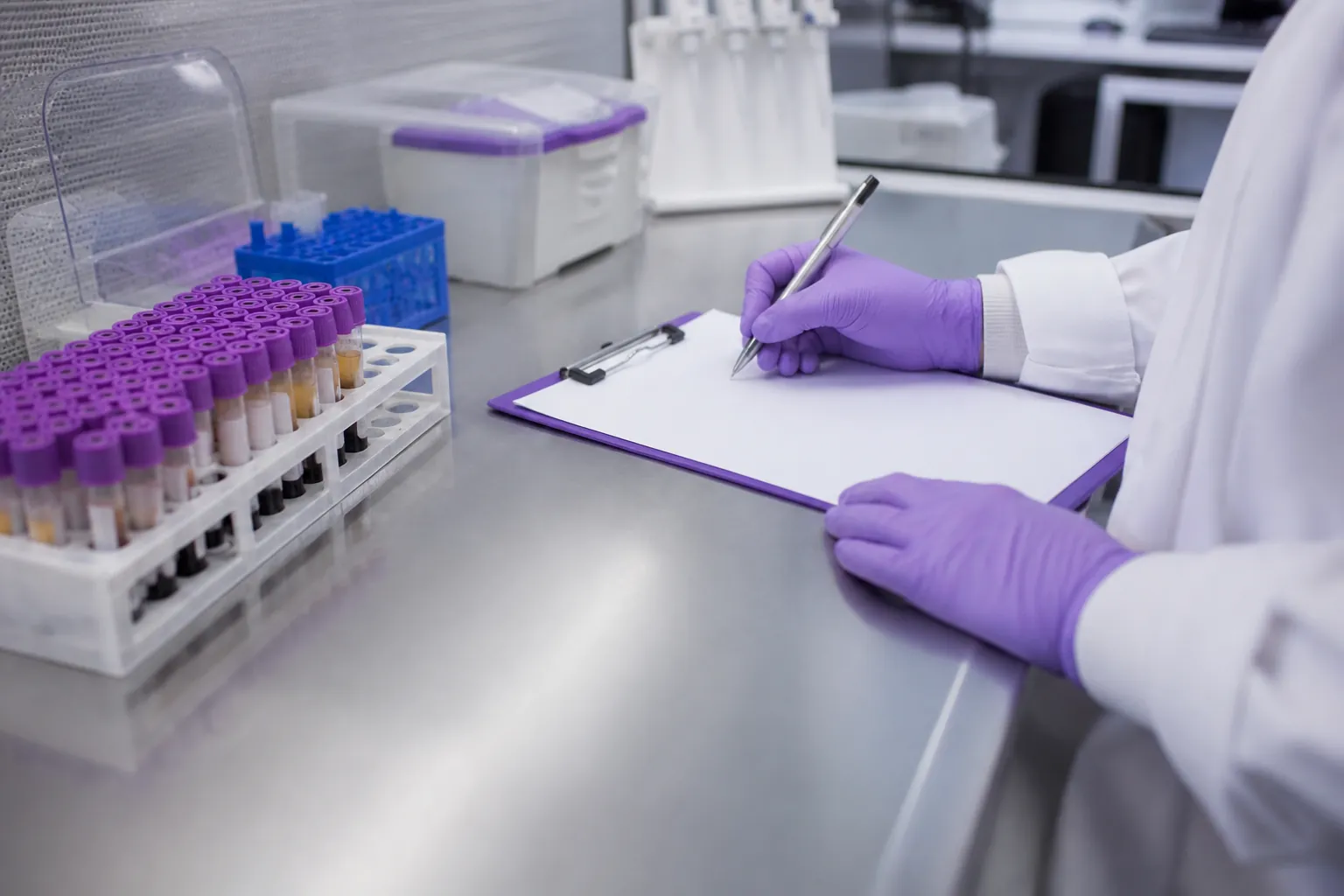
If the service advises rebooking, request the instructions again and set out everything needed the night before. Put the coffee equipment out of sight if morning autopilot is particularly committed.
Should you repeat a result after coffee?
Do not decide to repeat a blood test solely from this article. The need for another sample depends on the test, result, preparation requirements and clinical context.
If a result is unexpected and the fasting conditions were not followed, tell the healthcare professional or service reviewing it. They can judge whether preparation plausibly matters and whether repeat testing is appropriate.
A result should not be interpreted in isolation. mescreen™'s guide to blood test reference ranges explains why the method, units, laboratory interval and clinical context remain important.
Where does mescreen™ fit?
mescreen™ provides a defined UK biomarker and wellness-testing service, and the current instructions for the selected service should control preparation. Review the live biomarker testing overview and how the service works before ordering or collecting a sample.
Check what is measured, how the sample is collected and which instructions arrive with the service. Do not assume that a general article changes the requirements for a particular panel.
If you have symptoms, a diagnosed condition or a clinician-requested test, use the appropriate healthcare route. A private wellness test is not an emergency service.
When should you seek medical help?
Seek help for concerning symptoms based on their severity, not on whether you had coffee before a planned test. Use NHS 111 when you need urgent medical help and are unsure what to do. Call 999 for a life-threatening emergency.
Do not delay urgent assessment to complete a fasting period or home sample.
Limitations
This article cannot state whether coffee affected an individual's result or whether a test should be repeated. Preparation requirements vary by test, laboratory and clinical protocol. The NHS hospital instruction cited here applies to its described fasting services and is not a universal protocol for every test.
This is educational information, not personalised medical advice. The request form, provider instructions and responsible healthcare professional control.