

TL;DR: Blood test turnaround depends on the test and when the clock starts; mescreen™'s current ordering FAQ quotes approximately 3 to 4 weeks after laboratory receipt, not from placing your order: mescreen™ UK.
Key takeaways
- The NHS says blood test results may arrive after a few days and usually within a few weeks; this is general guidance, not a deadline for every test.
- A laboratory's analysis timetable is distinct from the explanation you receive: compare Oxford's laboratory schedules with the NHS results guidance.
- mescreen™'s ordering FAQ starts its approximate reporting window when the laboratory receives the sample.
- If you have heard nothing after a few weeks about an NHS blood test, the NHS advises contacting the GP surgery or specialist.
- mescreen™ describes its service as a wellness assessment, not a replacement for diagnostic tests or a reason to delay care: current process page.
How long do blood test results take in the UK?
There is no single waiting time that covers every blood test. The NHS blood-test guide says you may receive results after a few days and usually within a few weeks.
That wording matters. It is a general description of the process, not a promise that a particular test, laboratory or appointment follows the same timetable. The NHS also says your GP, nurse or specialist should explain the results and what happens next.
When a provider quotes a turnaround, ask what the quoted period actually covers. Is it laboratory analysis, release of a report, or the point when someone discusses it with you? These are different milestones, even if a sales page puts them under one reassuring heading.

Fast is an appealing adjective. A clearly defined start and finish is rather more useful.
When does the turnaround clock start?
It starts at the event specified by the service, which may be laboratory receipt rather than the day you order or collect a sample. mescreen™'s current ordering FAQ says the full report is available in its secure portal approximately 3 to 4 weeks after the laboratory receives your sample.
mescreen™'s process page separately describes home dried blood spot collection and international shipment to its partner laboratory. A dried blood spot is the sample format used in that collection process. The quoted laboratory-receipt window should not therefore be read as a total order-to-report promise.
Our practical suggestion is to keep the dates separate: order placed, sample returned, laboratory receipt confirmed and report made available. Ask the provider which of those milestones it can confirm and which date its estimate uses.
A date range without its starting event can look impressively precise while leaving the important bit out.
Why do some laboratory tests take longer than others?
Laboratories do not necessarily run every test on the same schedule. Oxford University Hospitals' clinical biochemistry page says it aims to analyse most routine investigations on the day of receipt, while its table lists some tests as being analysed weekly or every two weeks.
The Oxford table illustrates why analysis frequency and the reported turnaround need to be read together. It does not set a timetable for all NHS laboratories or for MeScreen.
Laboratory completion and the conversation about your result are also distinct parts of the process. The NHS guide describes receiving results and having them explained by a GP, nurse or specialist; Oxford's laboratory table is not a promise about when that conversation happens.
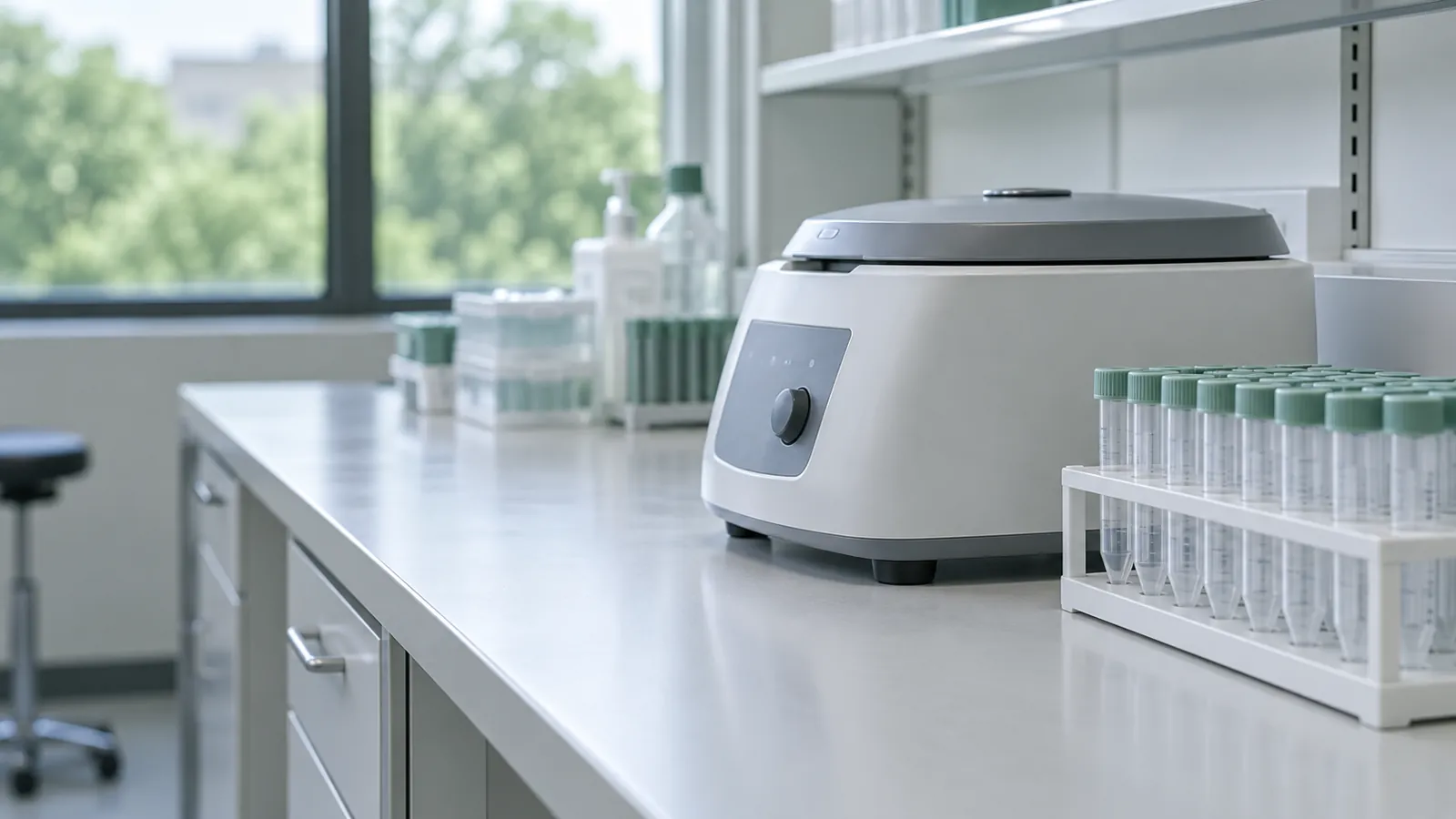
Our recommendation is to ask which stage is outstanding rather than trying to compare two services using a single number. A routine clinical test and a separately described wellness workflow are not interchangeable simply because both involve a blood sample.
Does a delay tell you what the result means?
Do not use the waiting time as a substitute for the result or its clinical explanation. The NHS advises contacting the GP surgery or specialist if you have heard nothing after a few weeks and asking a healthcare professional about results you do not understand.
The same guidance notes that some GP surgeries do not contact people unless they need to discuss the result. That is not an instruction to assume that silence settles your medical question. Follow the arrangements you were given and ask the requesting team when you are unsure.
If your concern is about symptoms or your health while you wait, contact an appropriate clinical service rather than treating a wellness report as the next required step. mescreen™'s intended-use wording says the report must not be used as a diagnosis, a substitute for NHS blood tests or a reason to delay care.
Why might a result be missing from the NHS App?
The NHS App shows results that have been shared with your GP surgery and added to the relevant record; it does not display every result from every service. The NHS guide to viewing test results specifically says hospital results not sent to the GP surgery will not appear there.
If you use the app, ask the service that arranged the test how its results are delivered. A hospital may have a different route, and the NHS page directs people to the GP surgery when record information is missing or they need help understanding it.
mescreen™'s ordering page describes delivery through its own secure portal. This article does not establish an automatic connection between that portal and an NHS record. Check the stated delivery route rather than assuming one account contains everything.

More portals do not necessarily mean more clarity. Sometimes they mainly mean another password to remember.
What should you ask if a mescreen™ report is overdue?
Ask mescreen™ to confirm the sample's laboratory receipt date and the current reporting estimate. Its ordering FAQ gives an approximate window, so a precise status enquiry is more useful than counting only from checkout.
Our suggested questions are:
- Has the laboratory received my sample, and on what date?
- Does the current estimate start from that receipt date?
- Is there any collection or processing issue I need to know about?
- How will I be told when the report is available?
- What report explanation or educational support is currently offered?
These are service questions, not an interpretation of the sample or a claim that a processing problem has occurred. No answer about logistics can replace a clinical assessment when one is needed.
Limitations
This article explains published process descriptions and official guidance. It cannot track an individual sample, predict a report date or determine why a particular result has not arrived.
Oxford's timings apply to its own laboratory service, not all UK providers. The NHS App guidance concerns that service, not every route used across the UK. mescreen™'s current timing is approximate, and its process description is not independent evidence of diagnostic accuracy or improved health outcomes.
No result is interpreted here, and no change to medicines, supplements, food, fluid intake or exercise is recommended. Generated images are editorial illustrations, not patient stories, actual test results or mescreen™'s laboratory and assay.

What is the next sensible step?
Use the current mescreen™ ordering process to understand the reporting window, then contact mescreen™ if you need confirmation of receipt or report timing.
For questions about an NHS test or what a result means, contact the GP surgery, specialist or healthcare professional involved, as the NHS advises. Keep the service-status question and the medical question separate, so each reaches someone able to answer it.
Sources
- Blood tests, NHS. Getting results and follow-up guidance; reviewed 2 November 2023.
- Turnaround times, Oxford University Hospitals NHS Foundation Trust. Local clinical biochemistry schedules and laboratory targets.
- View your test results, NHS. Online GP records and results availability; reviewed 27 February 2024.
- How to Order mescreen™, mescreen™ UK. Current ordering FAQ and laboratory-receipt reporting window.
- How mescreen™ Works, mescreen™ UK. Collection, international shipping and intended-use boundaries.
- Contact mescreen™, mescreen™ UK.