
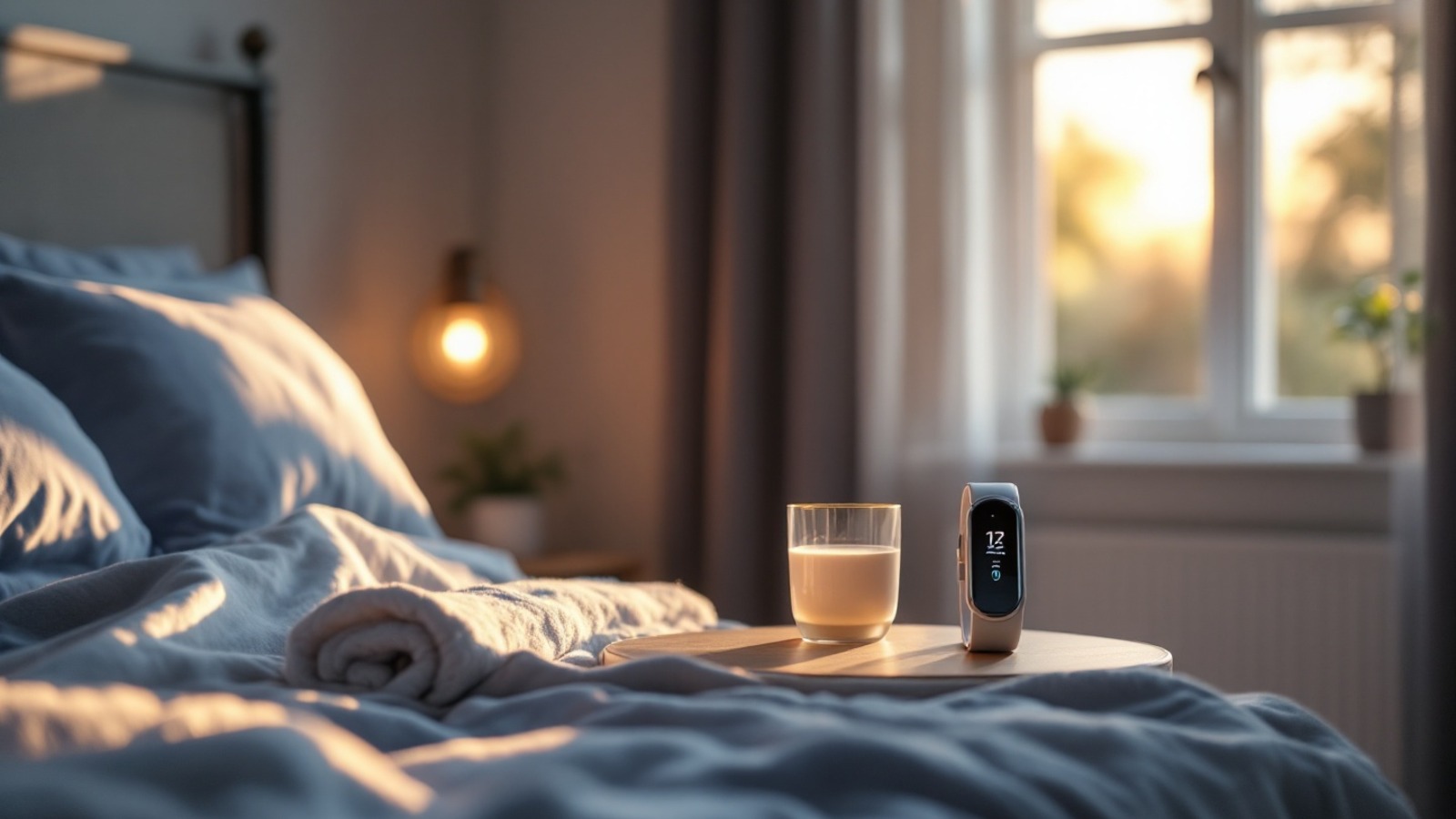
Summer changes how sleep feels. Longer days, warmer nights and more outdoor time can shift when people feel tired, how deeply they rest and how the next day starts. That does not mean every change in energy is a mitochondrial issue. It means summer conditions can alter the signals people use to judge recovery.
Why light and temperature affect sleep signals
The body uses light and temperature to set its internal clock. In summer, daylight lasts longer and bedrooms can stay warmer. Both can delay the natural wind-down that supports deeper rest.
People notice it in simple ways:
- It takes longer to fall asleep after a bright evening.
- Sleep feels lighter or more broken.
- Morning energy takes longer to build.
- Wearable readings show different patterns than in cooler months.
- Training recovery feels slower after hot nights.
These signals are context, not a diagnosis. If the week has had more light exposure and warmer nights, energy data needs to be read with that background.
Light exposure and circadian timing
Circadian rhythm is the body's 24 hour cycle. Light is the main cue that keeps it aligned. In the UK summer, people often spend more time in bright conditions and use screens later.
Practical questions to ask during long daylight periods:
- Did you spend the evening in bright indoor light or outdoors?
- Was the bedroom dark enough at bedtime?
- Did screen use continue close to sleep time?
- Did you wake to natural light earlier than usual?
If sleep timing shifts and morning energy feels different, the light environment deserves attention before other factors. NHS sleep and tiredness guidance also notes that everyday habits and sleep environment can affect rest, which makes simple context tracking a sensible first step.
Temperature and recovery quality
Heat can affect sleep comfort and depth. NHS heat guidance highlights the need to respond carefully to hot conditions, especially when symptoms become worrying or do not settle with cooling and rest.
Useful summer checks include:
- Bedroom temperature at bedtime and during the night.
- Use of fans, open windows or cooling aids.
- Evening activity level and sweat.
- Alcohol or heavy meals close to bed.
- How morning energy and training tolerance respond.
The goal is not to fear summer. It is to notice when conditions change the usual pattern. One hot night is rarely enough information. A repeated pattern over one or two weeks is more useful.
The mitochondrial context
Mitochondria help cells produce energy. They work within a system that includes sleep, circulation, nutrition, inflammation and temperature regulation.
When sleep is lighter due to light or heat, the body has less time for recovery processes. Perceived energy the next day can feel lower even if the underlying cellular capacity is unchanged. The useful point is practical: summer sleep changes are one layer of context when reviewing energy patterns.
Think of the context in layers:
- Light timing shifts the circadian clock.
- Temperature affects sleep depth and comfort.
- Training adds physical demand.
- Nutrition supplies repair materials.
- Biomarkers give a structured snapshot.
MeScreen fits into the last layer. It can help organise questions around cellular energy, but it does not replace clinical assessment.
Practical summer sleep and energy tracking
Hot weather is not a reason to change routines without context. Track the basics first, then look for repeated patterns rather than reacting to a single warm night.
Useful non-diagnostic tracking points include:
- Sleep length and quality notes.
- Evening light exposure pattern.
- Bedroom temperature trend.
- Training time, intensity and perceived effort.
- Morning energy and resting heart rate if tracked.
- Appetite and protein consistency.
- How symptoms change after cooler nights or adjusted light habits.
NHS exercise guidance encourages people to build activity sensibly around their current health and circumstances. In summer, that means reading sleep, heat and training together before assuming one marker explains everything.
When to treat symptoms as more than wellness noise
Some sleep and energy changes need medical attention. NHS guidance explains what to do for persistent tiredness, heat-related symptoms or sleep problems that do not improve with simple adjustments. If someone is very drowsy, confused, has symptoms that worsen or does not improve with cooling and rest, the right response is professional medical help.
MeScreen content should keep that boundary clear. Wellness tracking is useful for everyday patterns. It is not the right tool for acute illness or severe symptoms.
Where MeScreen can help
MeScreen can help people organise a wider cellular energy conversation. It can sit alongside notes on sleep, light exposure, temperature, training and recovery patterns. That is useful for people who want a structured mitochondrial testing baseline rather than another vague guess about why energy changes.
A good use case is not: I slept poorly one hot night, so I need a test.
A better use case is: my sleep quality, morning energy and training tolerance have changed over several weeks in summer conditions, and I want a clearer wellness baseline to discuss alongside my lifestyle data.
Conclusion
Summer light and temperature can make sleep and recovery feel inconsistent. Before changing supplements or blaming motivation, look at the seasonal context: light timing, bedroom conditions, training load and recovery time. If symptoms are severe or persistent, seek clinical advice. If the pattern is broader and you want structured wellness insight, MeScreen can help frame the cellular energy conversation.
FAQ
Can summer light exposure change how recovery feels?
Yes. Longer daylight, brighter evenings and earlier morning light can shift sleep timing and perceived energy. That context is useful for tracking patterns, but it does not diagnose a mitochondrial problem.
Does a hot bedroom mean my mitochondria are struggling?
No. A hot bedroom can make sleep feel lighter and recovery feel less consistent. It is one context signal, not proof of poor mitochondrial function.
What should I track during warm UK weeks?
Track sleep length, bedroom temperature, evening light, training load, morning energy, resting heart rate if you use it and any symptoms that persist despite cooler nights.
When should sleep or heat symptoms be treated as medical?
Seek professional advice if tiredness is persistent, symptoms are severe, confusion appears, heat symptoms worsen or simple cooling and rest do not help.
Where does MeScreen fit with summer recovery tracking?
MeScreen can add a structured cellular health baseline to lifestyle notes about sleep, light, heat and training. It is a wellness assessment and does not replace clinical care.