Why mitochondria are even part of this conversation
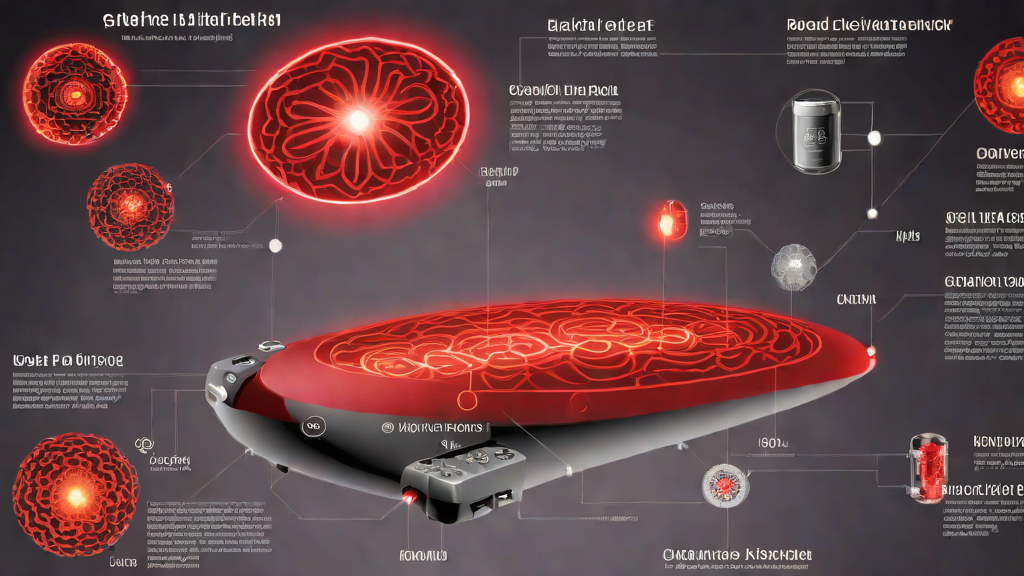
The usual mechanism described in the photobiomodulation literature centres on cytochrome c oxidase, which sits in complex IV of the electron transport chain. Light in the red or near-infrared spectrum may alter how this enzyme behaves, potentially improving electron flow, reducing signalling bottlenecks, and influencing ATP production under certain conditions.
That is the mechanistic hook. Mitochondria use oxygen to help turn nutrients into usable energy. If a light-based stimulus can nudge parts of that process, particularly in stressed tissues, it is reasonable to study whether it affects recovery, inflammation, pain, or fatigue.
What the evidence actually supports
Photobiomodulation has been studied in wound healing, pain, sports recovery, oral mucositis, and a handful of neurological or cognitive contexts. Results are mixed but not dismissible. The challenge is that device quality, wavelength, dose, tissue depth, and treatment schedule vary wildly across studies, which makes clean real-world recommendations more difficult than sellers imply.
There is also a dose problem. Too little light may do very little. Too much may be unhelpful. This biphasic dose response is common in hormetic interventions, and it is one reason simplistic “more is better” thinking fails here as well.
Could it help fatigue and recovery?
Possibly, especially where local tissue recovery, pain reduction, or inflammatory modulation are relevant. Some exercise studies suggest photobiomodulation may support muscle recovery or performance metrics under specific conditions. That is not the same thing as curing systemic fatigue, but it does keep the therapy in the plausible rather than ridiculous category.
For people with broad mitochondrial complaints, red light is better framed as a supportive intervention than a central treatment. If sleep is poor, glucose control is erratic, and recovery is being sabotaged elsewhere, a lamp is unlikely to rescue the system.
Why the conversation spills into skin, brain, and pain
Mitochondria are everywhere, so interventions that affect mitochondrial signalling end up discussed across multiple specialties. Dermatology likes red light for tissue healing and inflammation. Sports medicine likes it for recovery. Neurology and psychiatry have explored it more cautiously for cognition and mood. The common thread is not magic. It is cell stress and repair.
The limitations are boring but important
Not every device uses meaningful wavelengths. Not every panel delivers useful power density. Not every brand is honest about treatment distance, irradiance, or coverage. This is one of those fields where good biology has been asked to carry a lot of bad marketing.
It also remains an adjunct. If you are using red light because it feels easier than improving sleep, training consistently, or reducing alcohol, your mitochondria may notice the priorities.
How to think about using it
If you are curious about photobiomodulation, start with modest expectations and a device that discloses wavelength and output properly. Use it consistently for a defined period, track whether pain, recovery, sleep quality, or fatigue actually change, and stop if the answer is “not really”.
The best candidates are often people looking for small incremental gains in recovery or symptom control, not dramatic reinvention. A therapy can be real and still be modest.
Bottom line
Red light therapy has one of the more plausible device-based mitochondrial mechanisms, mainly through photobiomodulation effects on complex IV, blood flow, and repair signalling. That earns it attention. It does not earn it worship.
Used sensibly, it may be a helpful add-on. Used as a substitute for fundamentals or for proper investigation of chronic symptoms, it becomes another expensive lamp in a crowded room.
Related reading: improve mitochondrial function, mitochondrial health, cellular energy UK, ATP explained, electron transport chain explained, sleep and mitochondrial recovery.
Want better data before guessing?
When energy, recovery, and resilience stay inconsistent, broad advice is rarely enough. mescreen™ gives you a clearer metabolic starting point.
Reviewed by Hemal Patel, PhD
Professor of Anesthesiology at UC San Diego School of Medicine, with research interests in mitochondrial biology, caveolin signalling and cellular bioenergetics.
Read Hemal Patel's mescreen™ reviewer profile · Verify on UCSD Profiles