
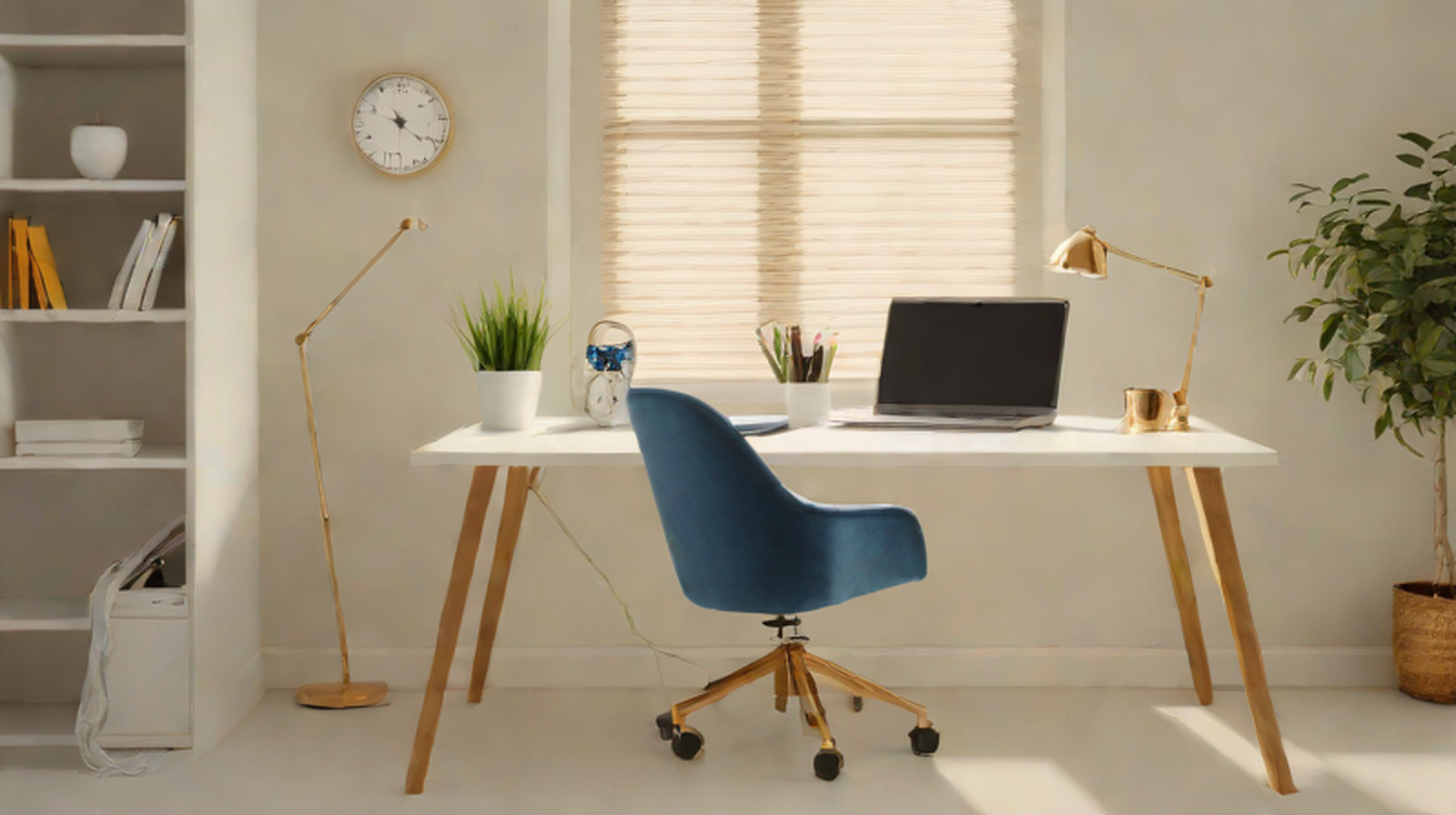
Desk Work, Sitting and Mitochondria: A Careful UK Wellness Guide
Most desk jobs are not trying to ruin anyone's cellular energy.
They are just very good at keeping people still. Email keeps you seated. Meetings keep you seated. The train keeps you seated. Then a wellness influencer appears and tells you your chair is basically a villain with upholstery.
The honest version is less dramatic. Long sitting, low movement and busy workdays can sit near conversations about energy, muscle and metabolic health. Mitochondria belong in that wider conversation because they are involved in cellular energy. That does not mean every afternoon slump is caused by sitting, or that a standing desk is a medical intervention with legs.
The simple answer
Desk work and long periods of sitting can reduce how much movement is built into the day. Movement is relevant to mitochondrial health because muscle activity is one of the contexts where mitochondrial adaptation is studied.
For a wellness reader, the useful takeaway is practical: break up stillness where realistic, keep movement human sized and do not turn the workday into another thing to feel guilty about. mescreen™ UK can support a more informed conversation about mitochondrial health, but it does not diagnose tiredness, prescribe exercise or promise results.
Why movement and mitochondria are discussed together
Mitochondria help cells handle energy demand. Muscle is one of the clearest places to understand that relationship because movement asks muscle cells to do work.
A Comprehensive Physiology review, Mechanisms of exercise induced mitochondrial biogenesis in skeletal muscle: implications for health and disease, discusses how exercise can influence mitochondrial biogenesis in skeletal muscle. Source: https://pubmed.ncbi.nlm.nih.gov/23733637/.
That does not prove that a five minute walk fixes a desk heavy day. It is useful context for why movement, muscle and mitochondria belong in the same serious conversation.
Sitting is not a character flaw
A lot of sitting is structural. People sit because their work is designed that way, not because they woke up and chose cellular rebellion.
A practical approach starts with the shape of the day: * How long are the longest sitting blocks? * Are there natural points to stand, walk or stretch? * Can calls be taken while moving? * Is lunch eaten at a screen every day? * Does the commute leave any room for walking? * Is the evening so overloaded that movement becomes unrealistic?
These questions do not diagnose anything. They simply make the pattern visible.
Movement breaks should be boring enough to happen
The best movement break is the one someone will actually do.
That might be walking to make tea, taking a short lap after a meeting, using stairs when realistic, standing for part of a call or stepping outside for ten minutes. None of this needs a heroic name. If a routine requires a new identity, a branded bottle and a spreadsheet, it may not survive Tuesday.
Small movement breaks can help make the day feel less compressed. They should not be sold as treatment, prevention or a guaranteed energy fix. They are general wellness habits that may support a more balanced routine.
Exercise research adds context, not a personal verdict
A Journal of Physiology review, Exercise and mitochondrial health, discusses skeletal muscle mitochondrial adaptations, biogenesis, fission, fusion and mitophagy in relation to exercise. Source: https://pubmed.ncbi.nlm.nih.gov/31674658/.
This is not a shortcut to saying every reader needs a specific training plan. It is context. Mitochondria are responsive parts of cell biology, and exercise is one of the best studied areas for that conversation.
The honest point is simple: a body that moves regularly is having a different energy demand conversation from a body that sits almost all day. The details are individual, and clinical concerns belong with qualified clinicians.
Standing desks are tools, not magic furniture
Standing desks can be useful for some people, especially when they make posture changes and movement easier. They are not a moral upgrade.
Standing still for hours is not the same as moving. A good desk setup should make it easier to vary position, not create a new way to stay frozen. Sitting, standing, walking and resting all have a place. The aim is rhythm, not furniture theatre.
If a standing desk leads to sore feet, awkward posture or more tension, the setup needs rethinking. Comfort and sustainability matter.
Muscle matters in desk based lives
Desk work can quietly reduce the amount of daily loading that muscles experience.
That is why strength work, walking, cycling, swimming, sport, gardening or any realistic movement pattern can become part of a sensible wellness conversation. The point is not to chase punishment. It is to give the body regular reasons to use capacity.
People with injuries, persistent symptoms, pregnancy, complex health needs or clinical concerns should get qualified advice before changing exercise routines. A blog should not pretend to be a coach, clinician or physiotherapist.
Caffeine is not a movement plan
Desk jobs often run on caffeine and optimism.
Caffeine may help some people feel more alert, but it does not replace sleep, movement, food, hydration or breaks. If the workday is built around long sitting, rushed meals and late caffeine, the energy conversation is not only about mitochondria. It is about the whole routine.
That is annoyingly simple, which is probably why it sells fewer gadgets.
Where mescreen™ fits
mescreen™ UK focuses on mitochondrial health because mitochondrial function is part of serious conversations about cellular energy, stress handling and wellness.
Desk work and movement are relevant to that wider conversation, but mescreen™ does not diagnose fatigue, explain an individual's energy pattern or replace medical assessment. It can support a more informed wellness discussion and help people ask better questions about mitochondrial health without turning a chair into a villain or a walking break into a miracle.
A careful workday checklist
A sensible starting point is to notice patterns: * Are sitting blocks longer than planned? * Are there natural points for short movement breaks? * Is movement saved for one intense session and absent from the rest of the day? * Is sleep being squeezed by work and screens? * Is caffeine hiding tiredness until the evening? * Are symptoms persistent, severe, sudden or worrying enough to ask a clinician?
The goal is not to optimise every minute. It is to stop pretending the workday is separate from the body living through it.
The careful takeaway
Desk work and sitting belong in a mitochondrial health conversation because movement, muscle and cellular energy are connected in research.
That does not make a chair a diagnosis or a standing desk a cure. The useful answer is calmer: build in realistic movement, keep routines sustainable and use mitochondrial health as a serious context, not a scare word.
No guilt. No office chair courtroom. Just better questions.
FAQ
Does sitting affect mitochondria?
Movement, muscle activity and mitochondrial adaptation are connected in research. This article gives general wellness information only and cannot say what sitting means for an individual.
Are movement breaks enough for mitochondrial health?
Movement breaks can be a practical wellness habit, but they are not a guaranteed result or a substitute for qualified advice. A broader pattern may include sleep, food, exercise, stress and medical context where relevant.
Can mescreen™ diagnose why I feel tired at work?
No. mescreen™ does not diagnose fatigue, medical conditions or the cause of low energy. It supports mitochondrial health conversations and does not replace a GP, specialist or other qualified clinician.
Should I change my exercise routine after reading this?
This article does not prescribe exercise. People with injuries, persistent symptoms, pregnancy, complex health needs or clinical concerns should speak to a qualified professional before changing routines.
Is a standing desk better than sitting?
A standing desk can help some people vary position, but standing still is not the same as moving. Comfort, posture, movement and sustainability matter more than turning the desk into a wellness badge.
Related reading
- Exercise and mitochondrial health
- Zone 2 and cellular energy
- Training load and mitochondrial recovery
- Sleep and mitochondrial recovery
- Order your mescreen™ kit
Want a calmer view of cellular health? mescreen™ helps UK readers understand mitochondrial context without treating wellness trends as guarantees.
Explore mescreen™